
News
ORLEN Upstream Norway has agreed to acquire a 25% interest in production license PL293 in the North Sea from Vår Energi. The license covers the unconventional Afrodite gas discovery, which has the potential to deliver nearly 2 billion cubic meters of natural gas net to ORLEN.
The Afrodite project will also serve as a testing ground for new methods for producing unconventional resources on the Continental Shelf, including Victoria—the largest undeveloped gas discovery in Norway—in which ORLEN also holds a stake.
“Unconventional oil and gas resources on the Norwegian Continental Shelf represent a vast but still untapped potential. By combining modern production techniques with our existing expertise, we believe we can unlock these resources together with our partners and contribute to a new phase of development in Norway’s upstream sector,” said Wiesław Prugar, ORLEN Management Board Member, Upstream.
Afrodite was discovered in 2008, but due to difficult High Pressure / High Temperature environment its development had not been actively pursued until recently. The license partners have now decided to drill an appraisal well to assess the feasibility of production using stimulation technologies and to better quantify recoverable reserves
Based on current estimates, recoverable resources amount to approximately 7.5 billion cubic meters of gas, with around 1.9 billion cubic meters attributable to ORLEN. Afrodite could be developed as tie-back to the nearby Kvitebjørn field, where ORLEN Upstream Norway is also a partner, generating additional synergies.
The acquisition of the PL293 license remains subject to standard Norwegian regulatory approvals. Upon completion, ORLEN will hold a 25% interest in the Afrodite field. Equinor will remain operator of the license with a 70% stake, while Wellesley Petroleum will hold 5%.
The Afrodite transaction further strengthens ORLEN’s unconventional upstream portfolio in Norway. In January 2026, following the APA 2025 licensing round, ORLEN Upstream Norway received an offer to acquire a 20% stake in the unconventional Victoria gas discovery, whose resources in place are estimated at 140 billion cubic meters. Total discovered unconventional gas resources on the Norwegian Continental Shelf awaiting development decisions exceed 800 billion cubic meters.
ORLEN Upstream Norway’s involvement in the search for and acquisition of new deposits is consistent with the ORLEN 2035 strategy, according to which Norwegian fields are expected to deliver up to 12 billion m³ of natural gas annually by 2030.
2025 was a record-breaking year for the LNG segment in Poland. Shipments of liquefied natural gas received by the ORLEN Group at the Świnoujście terminal amounted to 81 – up by 20 compared with the previous year. The total volume of seaborne LNG imports reached almost 6 million tonnes, representing an increase of 30% year on year.
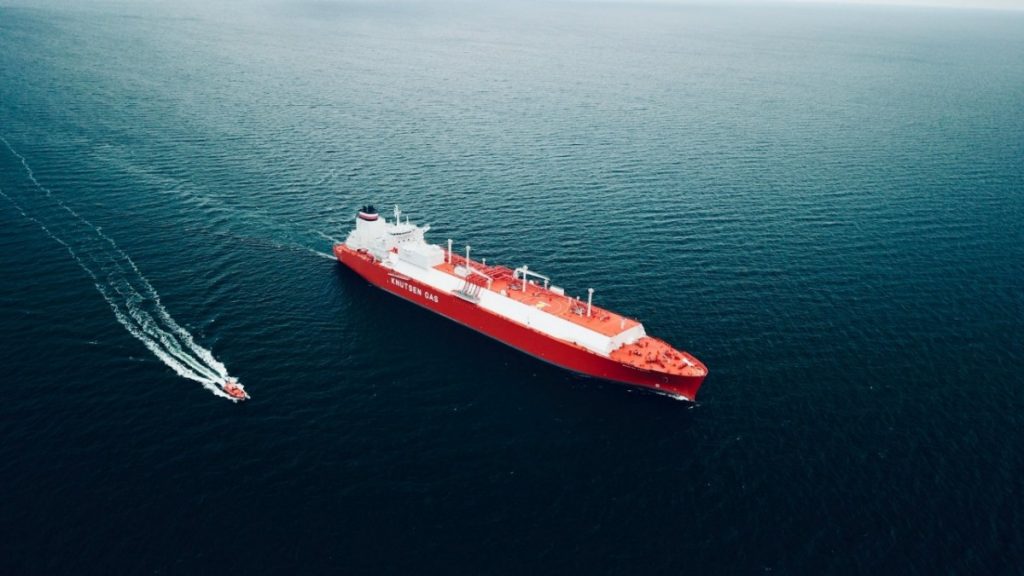
“Once again, we’re demonstrating that energy security is one of the cornerstones of of our strategic approach. Last year was exceptional for ORLEN’s LNG business. We set a new record in deliveries received at the Świnoujście terminal and significantly increased the use of our own carrier fleet to transport LNG to Poland. Our priority is to secure reliable supplies for customers at home and abroad. Thanks to our LNG market expertise and strong cooperation with partners, we are able to respond effectively to customer needs, strengthening energy stability across the region and reinforcing ORLEN’s position as a key gas market player in Central and Eastern Europe,” says Ireneusz Fąfara, CEO and President of the Management Board of ORLEN.
The increase in the number of LNG deliveries to Świnoujście was made possible by the expansion of the terminal, completed towards the end of 2024. As a result, its annual regasification capacity rose from 6.2 billion to 8.3 billion cubic metres. Despite this substantial increase, utilisation of the Świnoujście terminal remained close to 100%, giving it the highest utilisation rate among European LNG terminals.
The majority of LNG deliveries to Świnoujście originated from the United States – 62 cargoes in 2025. Qatar accounted for 17 shipments, with individual deliveries sourced also from Trinidad and Tobago and from Senegal. Most LNG volumes were supplied under long-term contracts, supplemented by spot market purchases, which accounted for more than a third of the LNG volume delivered in 2025. This sourcing model enhances flexibility and helps mitigate supply-side risks in the global LNG market. In addition to the near-full utilisation of domestic regasification capacity, LNG delivered by ORLEN last year was also exported for the first time to destinations including Japan, Turkey, the United Kingdom and Egypt.
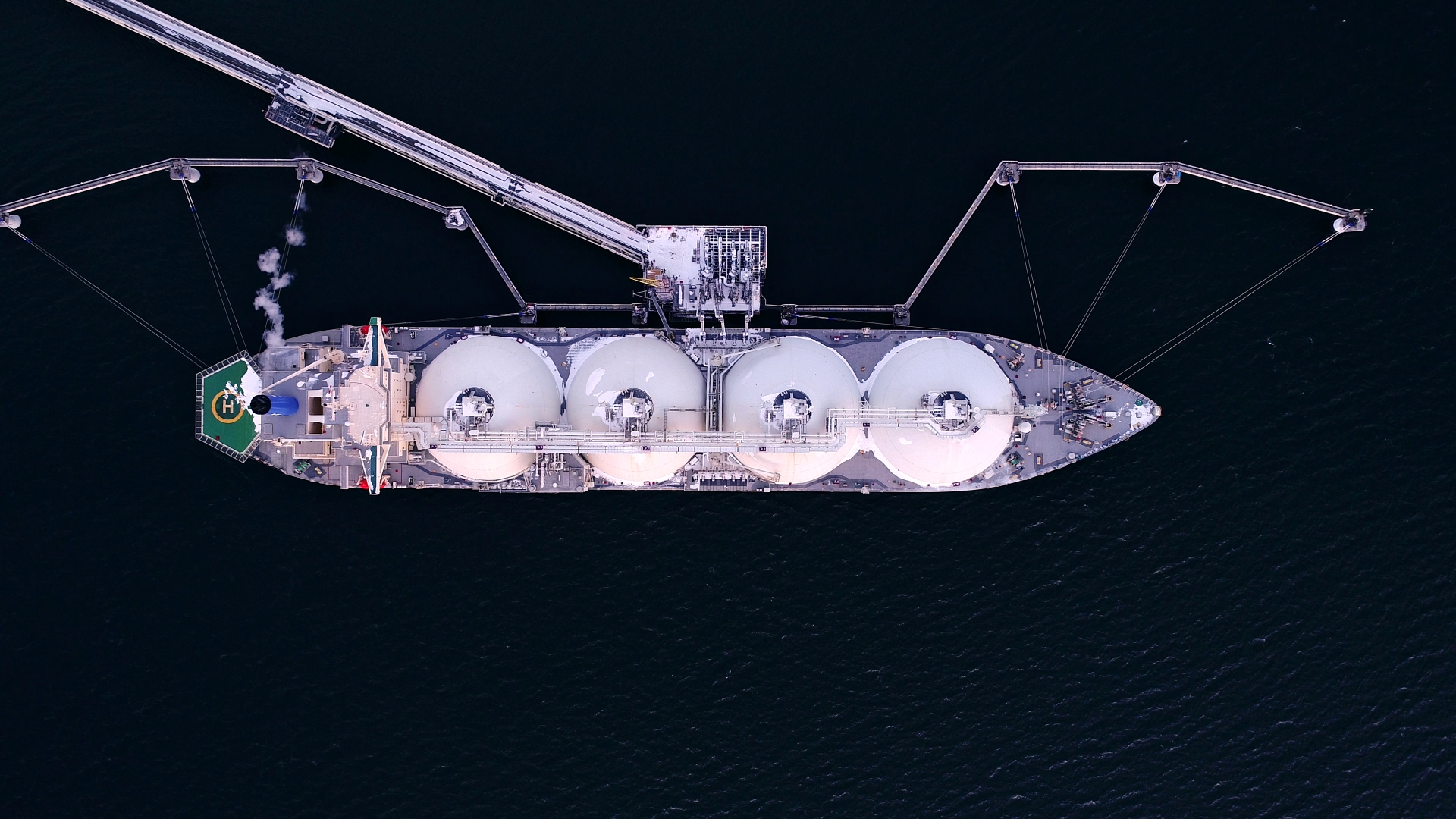
The role of ORLEN’s own LNG carrier fleet in supplying gas to Poland also increased significantly. In 2025, ORLEN vessels handled 12 deliveries to Świnoujście, with a total volume of approximately 782 thousand tonnes of LNG, compared with 2 deliveries and around 140 thousand tonnes of liquefied gas a year earlier. The fleet was expanded with the addition of two new LNG carriers – Józef Piłsudski and Ignacy Jan Paderewski – the most technologically advanced vessels of their kind worldwide, built by Hyundai Heavy Industries. The vessels entered service in March 2025, substantially strengthening ORLEN’s operational capabilities. The Group’s fleet currently comprises six vessels and will be expanded by a further two in 2026.
ORLEN’s LNG import capabilities will increase further with the completion of Poland’s second LNG terminal – the Floating Storage Regasification Unit (FSRU) in the Gulf of Gdańsk. The terminal’s full regasification capacity of 6.1 billion cubic metres per year has already been reserved by the ORLEN Group. Once the FSRU is commissioned, the total capacity of Poland’s LNG infrastructure will rise to approximately 14 billion cubic metres per year, strengthening Poland’s energy security and ORLEN’s regional position. Already, the Group uses the Świnoujście terminal to import gas that is subsequently exported to Ukraine. Last year, ORLEN supplied Ukrainian customers with more than 700 million cubic metres of gas, most of which delivered via the Polish LNG terminal.
The development of ORLEN’s own fleet and progressive expansion of LNG import capacity form an integral part of the ORLEN 2035 Strategy. These initiatives support Poland’s energy security, enhance the Group’s competitive power and prepare the gas system to meet the growing needs of the economy over the years ahead.
Press materials:
LNG v2.jpg
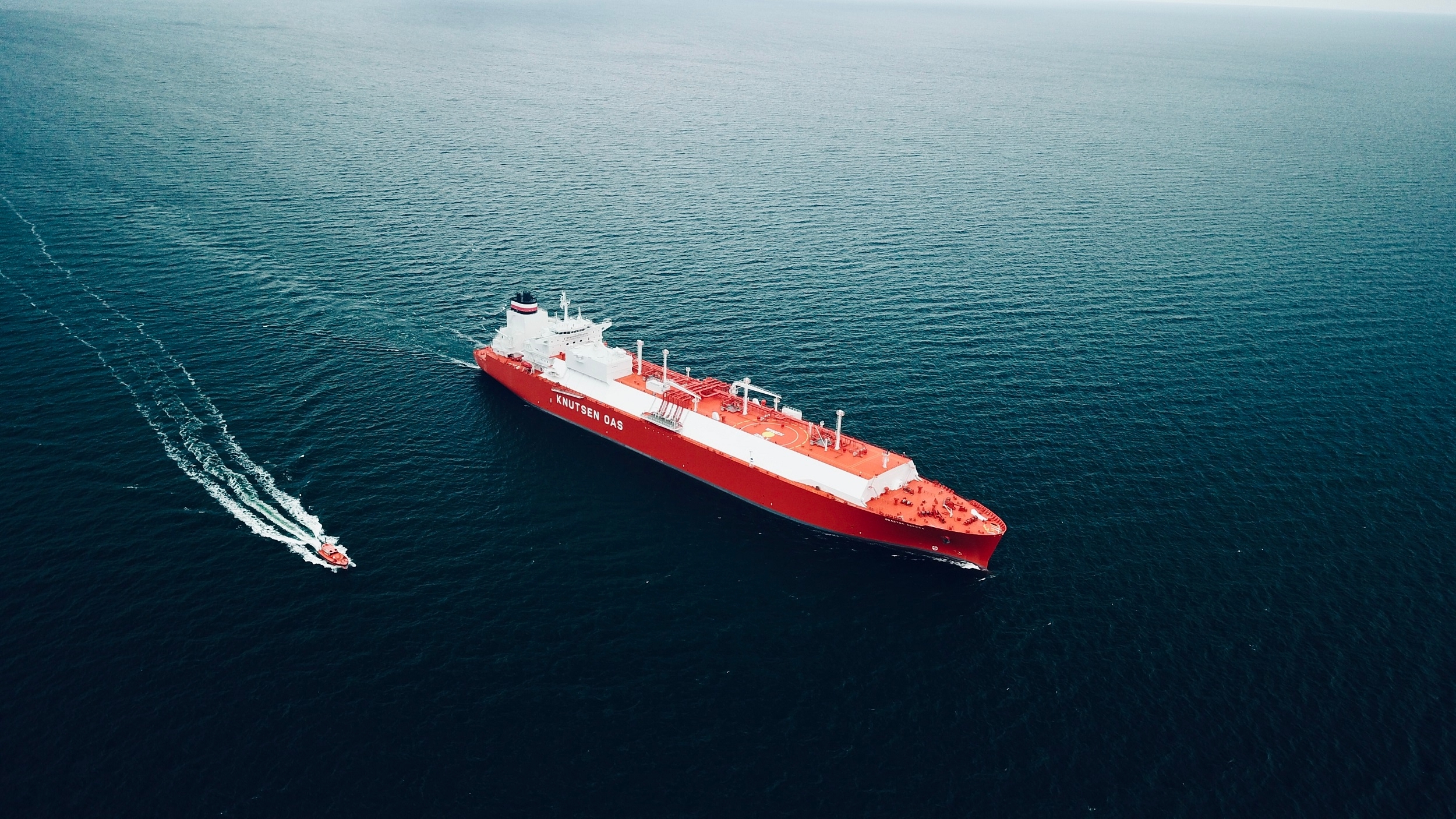
This year, the ORLEN Group has spent over PLN 21 billion on projects that enhance Poland’s long-term energy security, the highest level of investment in the Group’s history. In the third quarter, LIFO-based EBITDA reached nearly PLN 9 billion, and after the first nine months of the year it is already close to PLN 30 billion. The ORLEN Group has also paid a record dividend to its shareholders.
“Our excellent third-quarter performance is a testament to our strength and resilience, even in a more challenging environment. Since the beginning of the year, our stock has appreciated by more than 100%, making us the fastest-growing company in Europe and the second fastest-growing globally among oil and energy groups listed in the Global Fortune 500. At the start of the year, we pledged to turn the Polish energy sector into a vast construction site, and we are already seeing the results. After three quarters of 2025, our capital expenditure on projects that improve Poland’s energy security reached an all-time high. We have entered a crucial phase in building the Baltic Power offshore wind farm. We installed additional turbines, including units with nacelles manufactured in Poland. We received the 400th shipment of liquefied natural gas from the US and upgraded 11,000 kilometres of the power grid, connecting nearly 20,000 new customers. Over the same period, we offered our customers the lowest fuel prices in the past three years,” said Ireneusz Fąfara, CEO and President of the ORLEN Management Board.
In the third quarter of 2025, the ORLEN Group generated:
- Revenue of PLN 61 billion
- LIFO-based EBITDA of PLN 8.9 billion
- Operating cash flow of PLN 8.2 billion
Performance by segment
The Upstream & Supply segment generated EBITDA of PLN 3.3 billion. Average daily hydrocarbon production in the period was 197 thousand boe.
High crude throughput, supported by stronger wholesale fuel sales, was crucial for the Downstream segment, which delivered LIFO-based EBITDA of PLN 2.4 billion. In the third quarter, ORLEN Group’s refineries processed 10.2 million tonnes of crude oil. At the same time, the market environment for petrochemicals remained challenging.
The Energy segment reported EBITDA of PLN 2.2 billion, up by nearly PLN 0.5 billion ear on year. This result was driven mainly by higher gas distribution volumes and increased heat and power generation, including a 43% rise in output from renewable sources. ORLEN Group’s total installed capacity reached 6.3 GWe (an increase of 11% y/y), with renewable capacity up 60% year on year to 1.7 GWe. The Group generated 3.7 TWh of electricity during the period, up 9% year on year.
In line with the Group’s strategy, the Consumers & Products segment consolidates the sale of energy carriers – gas, electricity, and fuels – to end users. The Consumers & Products segment's EBITDA came to PLN 1.6 billion, despite a decline in fuel margins in Poland. In the third quarter, the ORLEN Group focused on improving efficiency. As a result, it achieved record fuel sales in four out of its seven markets. Gas and power volumes also rose markedly, including an almost 90% increase in the electric mobility market.
“We have delivered another strong quarter, with each segment contributing to the overall performance, despite macroeconomic headwinds. It is encouraging to see that we are growing, reinforcing our market position and implementing projects that are crucial for the energy transition. At the same time, we are consistently pursuing our strategy of increasing shareholder distributions. The record dividend we paid last quarter reflects our stable financial position,” said Sławomir Jędrzejczyk, Vice President of the ORLEN Management Board, Chief Financial Officer.
In the third quarter, the ORLEN Group generated PLN 8.2 billion in operating cash flow, with a net debt to EBITDA ratio of 0.14 at quarter-end. ORLEN currently has highest credit ratings in its history: A3 from Moody’s Investors Service and BBB+ from Fitch Ratings, confirming its solid financial foundations and strong capacity to finance the energy transition.
Investments in security
ORLEN is consistently rolling out the largest energy investment programme in Poland’s history, strengthening the security for the country and the wider region. In the past quarter, the Group reached a number of milestones in its flagship projects.
At the Baltic Power offshore wind farm, more than 50 foundations and around a dozen turbines have already been installed, including the first turbines with nacelles manufactured in Poland, alongside 2 offshore substations. For the Baltic East project, seabed surveys in the Baltic Sea were completed and an environmental decision was obtained, clearing the way for the project to take part in the capacity auction planned for December. ORLEN has secured PLN 3.5 billion in debt funding from the National Recovery Plan for offshore wind development.
After an agreement was reached with ORLEN’s SMR partner, Europe’s first BWRX-300 small modular nuclear power plant will be built in the location selected by ORLEN, in Włocławek.
ORLEN Group's operations in Norway are also producing tangible results. The discovery of the Omega Alfa field, with reserves of 134 million barrels of oil equivalent, is the largest find this year on the Norwegian Continental Shelf. The acquisition of an interest in the Tommeliten Gamma field added a further 6 million barrels of oil equivalent to the Group’s oil reserves. Innovative technical solutions deployed at Ormen Lange made it possible to recover an additional 500 mcm of gas, while production from the Andvare field will provide the Group with another 300 mcm of gas.
Strategic partnerships are further strengthening the ORLEN Group. ORLEN has signed another contract with Naftogaz for more than 300 mcm of gas. Deliveries this year will total 600 mcm, and next year they may reach 1 bcm. The Group has also demonstrated its capabilities by entering a new market and completing its first LNG delivery to Japan, one of the world’s largest LNG importers. Alongside Japan, LNG was also delivered to other countries, including Lithuania, Germany, France and Egypt.
After phasing out Russian crude, ORLEN has been consistently diversifying its supply routes. One of the outcomes of this strategy is its first contract with Equinor for more than 6 million tonnes of crude oil, which will cover around 15% of the ORLEN Group’s annual crude demand.
The shift towards a low-carbon economy is gaining pace. The HVO unit, which has entered the commissioning phase, will produce biocomponents from rapeseed oil and used cooking oil, supporting the delivery of NIT targets and the production of SAF aviation fuel. ORLEN already offers SAF at airports in Poland, Vilnius, Riga and Tallinn. Under EU requirements, SAF’s share in jet fuel sales is to rise to 20% in 2035 and 70% in 2050, which is why the ORLEN VC investment fund has taken a stake in UK start-up OXCCU, developing e-SAF technology based on hydrogen and captured CO₂. The decarbonisation of the ORLEN Group’s production assets is also being supported by a new 44 MW solar PV system that will supply power to the refinery in Mažeikiai.
In the Consumers & Products segment, ORLEN is implementing integration via ORLEN ID, a common login system for all sales applications. Retail customers will experience further benefits of this integration in the first quarter of next year. The retail network is seeing accelerated development of electric mobility infrastructure. The first ORLEN Charge hub, opened on the S7 expressway in Olsztynek, offers chargers with capacities of up to 400 kW, bringing charging times close to those of refuelling conventional vehicles A dozen or so additional hubs will be built along motorways by the end of the year. The network now operates more than 1,200 charging points, and the volume of energy delivered rose by 88% year on year.
ORLEN Upstream Norway, in partnership with Equinor, has discovered new natural gas resources on the Norwegian Continental Shelf. The company expects to produce approximately 1 billion cubic meters of gas from the Sissel discovery, which will be transported to Poland via the Baltic Pipe.
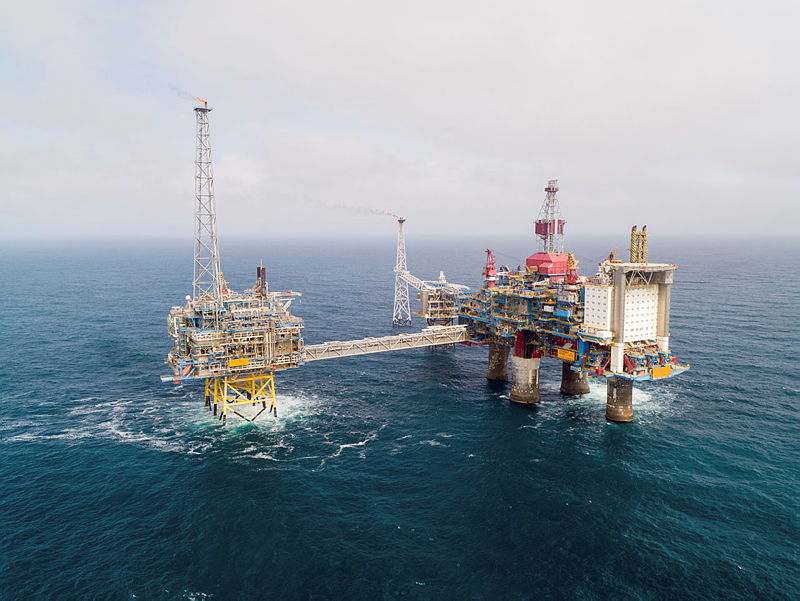
The discovery was made in the PL1137 license area, located in the central part of the North Sea, 250 kilometers southwest of Stavanger. Despite the stormy season, the drilling was completed in 39 days. The exploration well, with a total depth of 4,359 meters, confirmed the presence of natural gas with condensate admixture. The size of the discovery is estimated at 6.3–28.3 million barrel of oil equivalent.
“The Sissel discovery, from which we expect to obtain approximately 1 billion cubic meters of gas, strengthens our asset portfolio in Norway and represents another step toward achieving the ORLEN Group’s strategic objectives. Norwegian gas plays a crucial role in ensuring stable supplies for our customers. This was clearly demonstrated earlier this year, when we recorded record‑high demand from the energy sector, businesses, and households—reaching as much as 100 million cubic meters in a single day. In response, we increased gas imports, including via the Baltic Pipe, which transports gas from the Norwegian Continental Shelf to Poland, ” said Ireneusz Fąfara, President of the ORLEN Management Board. “As a company fundamental to Poland’s energy security, we remain firmly committed to further developing cooperation with our Norwegian partners based on our own production on the Shelf.”
The Sissel discovery could be developed as a tie-back to the Utgard field, located five kilometers to the north. The Utgard field itself was developed as a tie-back to the Sleipner complex, which is one of ORLEN’s key production centers on the Norwegian Continental Shelf. The hub includes the Sleipner Øst, Sleipner Vest, Gungne, and Gina Krog fields. The Sleipner hub accounted for almost 30 per cent of the total ORLEN production in Norway in 2025. Later this year, ORLEN Upstream Norway plans to launch Eirin, another field in this area, which will be developed using Gina Krog and Sleipner infrastructure.
“The Sissel discovery confirms effectiveness of our exploration strategy, which focuses on resources located close to existing installations. Sissel can be developed as a tie-back to this infrastructure, enabling a rapid start-up and significantly reducing investment costs. This project will also help offset natural production declines at Utgard, extending the life of its infrastructure. By leveraging these synergies, we maximize economic and operational efficiency in our upstream operations, while ensuring stable gas supplies for our customers in Poland and Central Europe,” said Wiesław Prugar, Member of the ORLEN Management Board, Upstream.
The PL1137 license is jointly owned 50/50 by ORLEN Upstream Norway and Equinor, with Equinor as the operator. ORLEN acquired its share in the license following the acquisition of KUFPEC Norway in 2024.
The potential development of the Sissel discovery is subject to the license partners’ decision following economical, technical and operational evaluations.
The photo may be used to illustrate press materials on the discovery of the Sissel deposit, provided that the copyright is indicated: Øyvind Gravås and Bo B. Randulff / © Equinor.
Press materials:

Sleipner_ØyvindGravåsBo_B.Randulff.jpg
ORLEN and Naftogaz have signed an agreement setting out the framework for a future gas supply contract. The Polish company will deliver over 300 million cubic metres of gas to its Ukrainian partner. The fuel will originate from American LNG cargoes received by ORLEN. The agreement was signed during the Atlantic Council conference on Partnership for Transatlantic Energy Cooperation, which was also attended by Minister of Energy Miłosz Motyka and Deputy Minister Wojciech Wrochna.
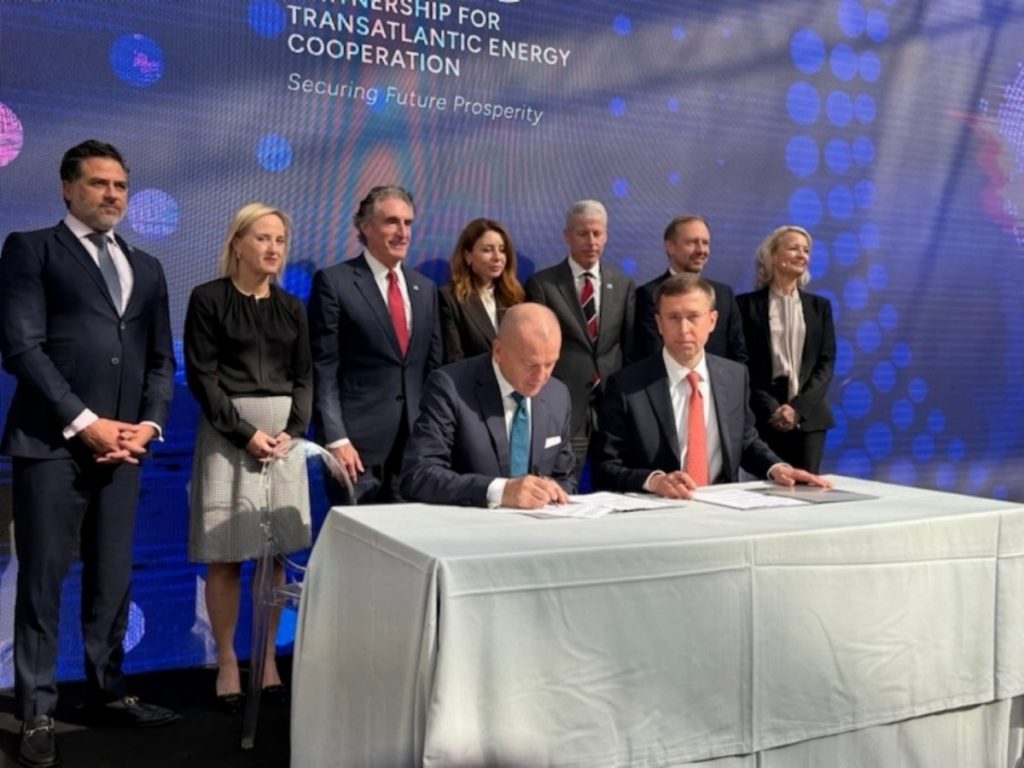
"Poland plays an extremely important role in supporting Ukraine and other countries in our region that are directly or indirectly suffering the consequences of Russian aggression. Today we are proving the effectiveness of our actions. This agreement will allow for the import of a significant volume of gas from the United States to Ukraine and opens the door to further initiatives of this type, which could support other countries in Central and Eastern Europe. I would like to thank everyone involved in this process," says Miłosz Motyka, Minister of Energy.
“The ORLEN–Naftogaz agreement, defining the framework for a future gas supply contract, represents an important step towards strengthening the region’s energy security and is further evidence of ORLEN’s growing role in the international gas market. Its conclusion is the result of the strong cooperation built between our companies to date, under which more than 600 million cubic metres of gas will be delivered to Ukraine this year. We are fully aware that when it comes to energy commodities, choosing a reliable and trustworthy partner is absolutely fundamental. I am therefore pleased that in the first quarter of next year, over 300 million cubic metres of American LNG will flow to our neighbours, while the outlook for the coming year points to the potential delivery of a record volume exceeding one billion cubic metres of US gas in total,” says Robert Soszyński, COO and Vice President of the Management Board of ORLEN. “Thank you for the support of the Polish government, the good cooperation with our American partners, and the trust of Nafogaz, which creates a solid foundation for future contracts.” - adds Vice President Soszyński.
Under the signed letter of intent, the contract will provide for the delivery of three LNG cargoes from the United States in the first quarter of 2026. The cargoes will be imported by ORLEN to one of the two terminals where the company holds capacity reservations, then regasified and transmitted via pipeline to Ukraine. The parties have declared their intention to promptly agree on the final commercial terms and execute the definitive contract. As a result of the agreement, the total volume of gas supplied under all contracts with Naftogaz will reach nearly one billion cubic metres.
“This is another step toward strengthening our strategic cooperation with ORLEN to supply American LNG to the Ukrainian market and ensure a stable heating season. Today, on the sidelines of P-TEC, we confirmed the key terms and have already started planning deliveries. The contract, which includes a credit facility and insurance instruments, will be signed shortly. I would like to thank the Ukrainian Government for its support and our partners for their trust,” commented Sergii Koretskyi, CEO of Naftogaz.
“Our objective is to deliver a genuine enhancement in the energy security of our region. The agreement paves the way for an additional 300 million cubic metres of gas from the United States to be supplied to Ukraine. Effective cooperation with our partners enables us to take further steps towards the expansion of the Northern Corridor. As part of this initiative, we intend to launch an Open Season procedure for FSRU2, which will further strengthen our ability to support our neighbours,” says Wojciech Wrochna, Secretary of State at the Ministry of Energy and Government Plenipotentiary for Strategic Energy Infrastructure.
The ORLEN–Naftogaz agreement was signed on the occasion of the Summit of the Partnership for Transatlantic Energy and Climate Cooperation, held in Athens. The summit gathered energy ministers from Poland, the United States, Ukraine and other countries, as well as representatives of the business community, including ORLEN and Naftogaz. The event serves as a platform for collaboration and coordination of efforts aimed at enhancing energy security and cooperation.

ORLEN_Naftogaz.jpg
ORLEN_Naftogaz2.jpg

ORLEN Upstream Norway has entered into an agreement with TotalEnergies EP Norge to acquire interests in the Tommeliten Gamma field, located in the Ekofisk region of the North Sea. Finalization of the transaction will increase ORLEN’s reserves by approximately 6 million barrels of oil equivalent. Production from the field is expected to commence in 2029.
“This acquisition supports ORLEN’s strategic goal of strengthening its portfolio and improving energy security for its customers,” said Ireneusz Fąfara, President of the Management Board of ORLEN. “We increase interest in the field that is expected to deliver up to 300 million cubic meters of gas annually at peak production, helping meet Poland’s energy demand and contributing to ORLEN’s energy transition efforts, while also creating value for shareholders.”
Under the agreement, ORLEN Upstream Norway will acquire additional 20.23% interest in the Tommeliten Gamma field, increasing its total stake to 62.61%. The field is operated by ConocoPhillips and located in the well-established Ekofisk area, where ORLEN already has a presence through its stake in the producing Tommeliten Alpha gas field. Asset acquired from TotalEnergies EP Norge will allow ORLEN Upstream Norway to build on existing operations and benefit from potential synergies within its current portfolio.
The Tommeliten Gamma field was discovered in the 1970s, developed, and produced until 1998, when production was halted due to infrastructure refurbishment in the Ekofisk region. Advances in technology and favorable market conditions have recently led to the decision to re-develop the field and resume production. The partners in Tommeliten Gamma are ConocoPhillips and Vår.
“Thanks to historical production data we have a solid understanding of the characteristics of Tommeliten Gamma and precise information on its resources,” said Wiesław Prugar, Member of the Management Board of ORLEN, Upstream. “This allows us, together with our partners representing leading global oil and gas companies, to prepare development plan that keep capital costs under control while aiming for strong production results. Planning is already well advanced, and an investment decision is expected by the end of the year.”
The transaction is subject to standard conditions, including investment approvals, as well as consent from Norwegian authorities and other field shareholders.
ORLEN Upstream Norway has been operating on the Norwegian Continental Shelf since 2007. The company's portfolio includes 21 producing fields and another seven in development. Last year, the company produced over 40 million barrels of oil equivalent, including more than 4.5 billion cubic meters of gas. The natural gas produced by ORLEN Upstream Norway is exported to Poland via the Baltic Pipe pipeline, where it supports the energy transition of the Polish power sector and energy security of the region. The sole owner of the company is ORLEN.
About the Ekofisk Region
The Ekofisk area is the cradle of the Norwegian oil industry. The field after which the whole area is named was the first commercial discovery on the Norwegian Continental Shelf in 1969. Production began in 1971 and is scheduled to run until 2048. More than 300 production wells have been drilled in the area, of which more than 200 are still in production. The production infrastructure complex consists of almost 30 production platforms.
ORLEN’s presence in the region includes a stake in the Tommeliten Alpha field, with ca. 65 million barrels of oil equivalent reserves net to ORLEN as well as the Fenris field, currently under development, expected to provide the company with over 42 million barrels of oil equivalent.
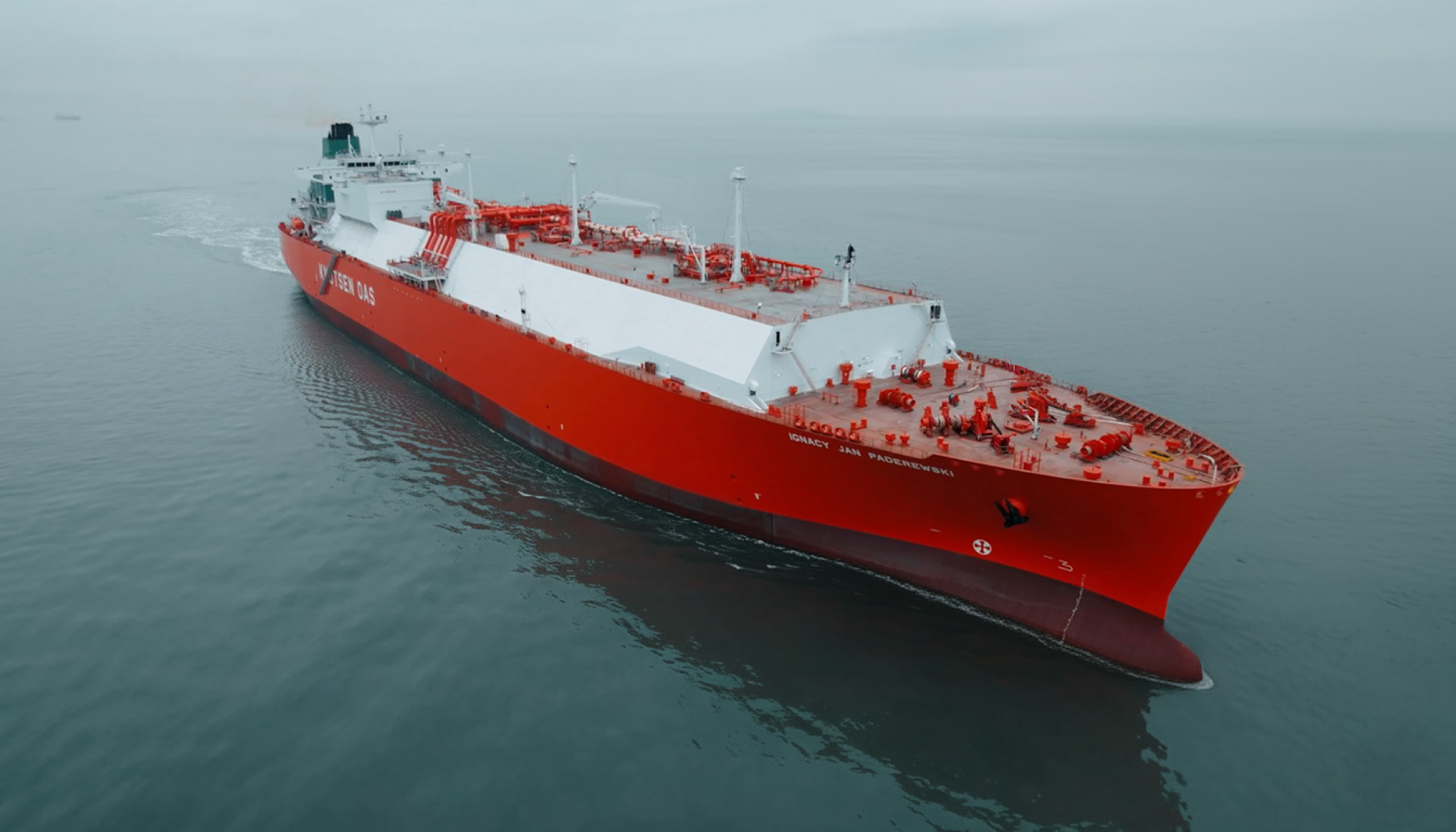
ORLEN has completed its first delivery of 100 million cubic meters of natural gas to Japan, one of the world’s largest LNG importers. The new cooperation highlights ORLEN’s commercial and shipping capabilities and strengthens the Group’s position in the global LNG market. The cargo was supplied to Osaka Gas and transported by gas carrier Ignacy Jan Padarewski, the newest vessel in ORLEN’s fleet.
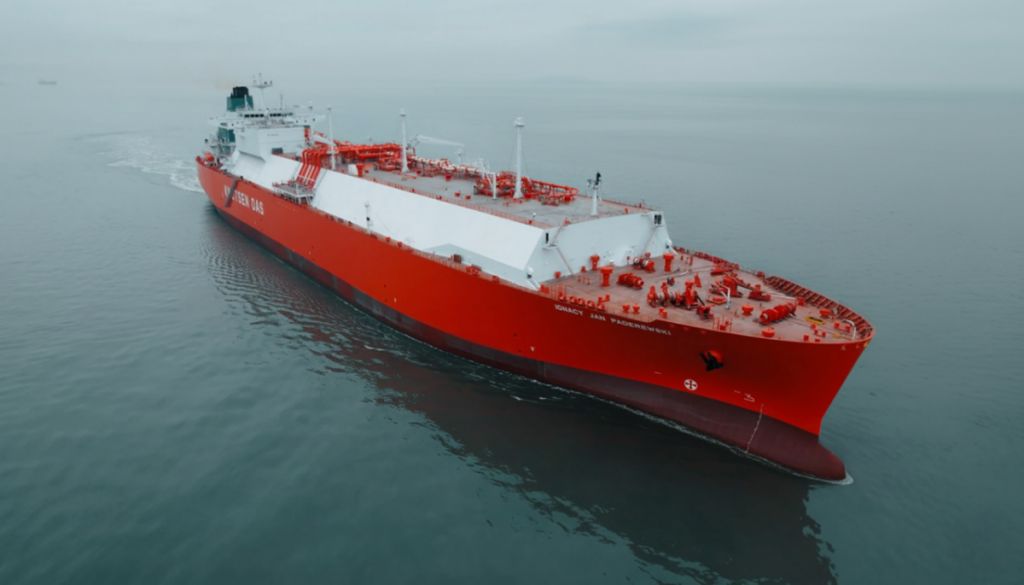
“For the first time in our history, we have delivered LNG to the Japanese market. We are consistently implementing the goals set out in our strategy. While pursuing our core business, we also reinforce the region’s energy security and independence. At the same time, we are expanding into markets where we have not previously operated, increasing our growth potential and building long-term value for our shareholders. The contract with Osaka Gas is an important milestone in our international growth and paves the way for future cooperation,” said Ireneusz Fąfara, CEO and President of the ORLEN Management Board.
The September 30 delivery will be carried out by gas carrier Ignacy Jan Padarewski, the newest addition to ORLEN’s fleet. This will be the 41st cargo handled by ORLEN’s London trading office with its own vessels, and the 15th this year. ORLEN’s ability to scale its operations and respond flexibly to market needs is supported by the company’s own logistics assets – six LNG carriers, which since the beginning of 2025 have already delivered around 700,000 tonnes of LNG to the region. Gas carrier Ignacy Jan Paderewski entered service in Asia in the first half of 2025 and returned to the region just a few months later with LNG from the US, further improving the efficiency of ORLEN’s trading operations.
“Working with reliable partners such as Osaka Gas allows us to build strong and effective relationships in the global LNG market. With a contract portfolio of about 6.5 MTPA over the coming years, we have the flexibility to ship cargoes to the most promising markets. Transactions such as the delivery to Japan are a natural part of our strategy to strengthen our trading position and confirm our growing role in the global LNG supply chain,” said Robert Soszyński, Vice President of the ORLEN Management Board.
ORLEN has been steadily building its LNG capabilities for several years, investing in port infrastructure, LNG carriers, and trading offices in key global locations. The company is also developing its LNG trading activities, which enhances its international profile and enables it to respond to global market needs on an ongoing basis.
Osaka Gas, with more than a century of history and a strong position in Japan, is also a key partner for building business relations in Asian markets. This first contract is an important step in ORLEN’s international expansion strategy, underscoring the ORLEN Group’s growing global significance.
ORLEN Upstream Norway has launched production from the Andvare field, increasing the number of producing assets in its portfolio to twenty-one. Andvare is expected to supply ORLEN with approximately 300 million cubic metres of natural gas.
Andvare is located in the Norwegian Sea, around 300 km southwest of Bodø, close to the Norne field which is operated by Equinor. The license partners made use of existing infrastructure to reduce both the time and cost of the Andvare development.
“Companies operating on the Norwegian Continental Shelf are increasingly targeting smaller resources placed around those operated. Thanks to a well-developed infrastructure, the cost of starting production can be significantly reduced, ensuring an attractive return on investment. Andvare is a prime example – its development required no additional installations, with project costs limited to drilling a production well from an existing template. As a result, we expect to recover the incurred investments in just four months,” said Wiesław Prugar, Member of the ORLEN Management Board, Upstream.
The backbone of Norne’s production facility is the Norne Floating Production, Storage and Offloading (FPSO) unit tied into 53 production wells. Oil delivered to the vessel is stored onboard while gas is transported to the terminal in Kårstø from where ORLEN’s share is delivered to Poland via the Baltic Pipe.
The Norne FPSO currently supports production from several fields—including Alve and Marulk, in which ORLEN also holds a stake. In the coming month, the Verdande discovery—also involving ORLEN—is scheduled to be tied back to Norne to commence production.
Andvare is operated by Equinor Energy (53 per cent of shares in the field), with DNO Norge (32%) and ORLEN Upstream Norway (15%) holding the remaining interests.
The ORLEN Group delivered excellent financial results in the second quarter of 2025, nearly doubling its LIFO-based EBITDA year on year to PLN 9.2 billion. Net profit for the period amounted to PLN 1.8 billion. In the first six months of 2025, the Group invested close to PLN 14 billion in strategic growth projects advancing energy transition.
“Q2 was an outstanding quarter, during which we generated strong profits and consistently delivered on our commitments. Most importantly, we freed the entire region from dependence on Russian crude oil. That chapter is now closed: all of our refineries are processing feedstock from other parts of the world. At the same time, we are strengthening energy security by pushing forward with large-scale projects in the power sector. These efforts are already bearing fruit – new turbines are being installed at Poland’s first offshore wind farm in the Baltic Sea. From next year, it will begin supplying clean electricity to Polish households and industry. Alongside these investments, our focus remains on our customers, who have benefited from the lowest energy prices in three years. Since July, seven million Poles as well as public institutions have seen their gas bills fall by nearly 15%, which translates into annual savings of up to PLN 1,000. We conduct our business responsibly and maintain the market’s trust,” says Ireneusz Fąfara, CEO and President of the ORLEN Management Board.
In the second quarter of 2025, the ORLEN Group generated:
- Revenue of PLN 60.7 billion
- LIFO-based EBITDA of PLN 9.2 billion
- Operating cash flow of PLN 10.5 billion
Performance by segment
The Upstream & Supply segment generated EBITDA of PLN 3.5 billion, an increase of PLN 4.5 billion y/y. Total hydrocarbon production in the period averaged 182 thousand boe per day, of which more than 70% was natural gas, produced mainly from Norwegian and Polish fields, with crude oil and NGL accounting for nearly 30%.
The Downstream segment achieved LIFO-based EBITDA of PLN 2.2 billion, supported by strong crude throughput and favourable macroeconomic conditions, despite the pressure of lower margins. At the same time, the petrochemical market environment remained challenging. In the second quarter, ORLEN Group’s refineries processed 9.8 million tonnes of crude oil – 5% more than a year earlier.
The Energy segment once again reaffirmed its strong position, posting EBITDA of PLN 2.2 billion, up PLN 368 million y/y, thanks to its consistently implemented investment programme. The improved result was due largely to increased gas and electricity distribution volumes and higher heat sales.Total installed capacity of the ORLEN Group was 6.2 GWe, with renewable energy capacity growing by 0.6 GW compared with last year. The Group generated 3.8 TWh of electricity during the period, an increase of 27% y/y.
The Consumers & Products segment delivered EBITDA of PLN 2 billion in the second quarter of 2025, marking a y/y increase of PLN 363 million. In line with the Group’s new strategy, this segment now consolidates the sale of energy carriers – gas, electricity, and fuels – to end users. It reported higher sales of gas and electricity, including an increase of more than 70% in the e-mobility market.
“When reviewing our results, it is important to highlight the solid contribution from each segment, which confirms the resilience of our business model to market volatility and seasonal fluctuations. Strong operating cash flows support both our investment projects and our dividend policy. On 1 September, we will pay the highest dividend in ORLEN’s history,” said Magdalena Bartoś, Vice President of the ORLEN Management Board, Chief Financial Officer.
In the second quarter of 2025, the ORLEN Group generated PLN 10.5 billion in operating cash flow, while its net debt to EBITDA ratio stood at (-)0.08 at quarter-end, ranking among the lowest in the industry. ORLEN maintained its highest-ever credit ratings: A3 from Moody’s and BBB+ from Fitch, confirming its solid financial foundations and strong capacity to finance the energy transition.
In June, ORLEN successfully raised PLN 2.5 billion through a green eurobond issue that was 2.5 times oversubscribed, underscoring strong investor demand.
Investments in security
The ORLEN Group continues to strengthen energy security in Poland and the broader region. The final contract for Russian oil deliveries expired in June, marking the complete elimination of Russian crude from ORLEN’s supply chain. This means that ORLEN – and, by extension, the entire region – is no longer bound by any agreements with Russian entities for the supply of oil. Currently ORLEN refineries process feedstock from the Middle East and Persian Gulf, the North Sea, Africa, and both Americas.
The ORLEN Group's commitment to regional security is also reflected in contracts recently signed with Ukraine’s Naftogaz, increasing natural gas supply volumes to over 430 million cubic meters. Natural gas sourced from the U.S. is received through LNG terminals in Poland and Lithuania.
ORLEN and Naftogaz have also signed a memorandum of understanding to cooperate in upstream exploration, downstream development, and the reinforcement of cross-border relations and commercial ties. This is a major step in strengthening the ORLEN’s position in the Ukrainian market.
In recent months, the Group completed the expansion of the LPG terminal in Szczecin, increasing its annual capacity to 400,000 tonnes. The PLN 150 million project was carried out entirely by Polish companies.
Domestic gas production is also growing. Recoverable gas reserves at the Trzebusz field (Municipality of Trzebiatów in the Province of Szczecin) rose by 700 million cubic meters, bringing total recoverable reserves in the area to 2.3 billion cubic meters.
The Group is investing in advanced technologies. Nearly PLN 2 billion from Poland’s National Recovery Plan will fund the construction of two new hydrogen plants. The ORLEN Group is the world’s pioneer in commercialising Multifuel, a cutting-edge technology that enables energy generation using hydrogen, natural gas or any mixture of the two, in a fully automated process.
ORLEN has also introduced a new fuel type: Sustainable Aviation Fuel (SAF), produced from renewable or waste-based feedstocks, which significantly reduces greenhouse gas emissions during both production and combustion.
In the past quarter, ORLEN continued to advance key energy projects. A top priority is the construction of the offshore wind farm in the Baltic Sea, which is expected to begin generating electricity next year. More than half of the foundations and five turbines have already been installed. Furthermore, work is progressing on the development of the Baltic East project, with a capacity of 1 GW, adjacent to the Baltic Power licence area. Some of the seabed surveys as part of the project, contracted to Polish companies, have already been completed.
In June, ORLEN Neptun, launched an offshore wind farm installation terminal in Świnoujście, the first facility of its kind in Poland and one of the most advanced in Europe. It will serve as a key base for the Group’s phase two offshore wind projects and will also be available to external operators. The long-term contract with major offshore player is already in place.
ORLEN is currently implementing a major programme to modernise power grids in the north of Poland, for which it secured preferential financing of PLN 7.7 billion from the National Recovery Plan. Since the beginning of 2025, nearly 1,800 km of transmission lines have been built or upgraded, and 16,700 new customers have been connected.
Effective energy transition needs to be supported with digital tools. This is why the ORLEN Group is undertaking the largest AI deployment in CEE. The solutions, to be implemented in collaboration with Microsoft, will enhance not only its energy operations, but also cybersecurity, production processes, data analysis and overall workforce efficiency across the Group.
ORLEN and its Ukrainian counterpart, Naftogaz Group, are expanding their strategic partnership. The two companies have signed a memorandum of understanding to cooperate in upstream exploration, downstream development, and the reinforcement of cross-border relations and commercial ties. The envisaged cooperation will bolster Ukraine’s energy security by broadening the diversification of its supply sources – not only for natural gas, but also for crude oil – while opening avenues for the adoption of alternative fuels. The MoU was signed during the Newfolk Oil & Gas conference, the foremost event for the oil and gas industry in Ukraine, held in Lviv.

“The agreement we have signed stands as further evidence of our strategy being effectively put into action. ORLEN is becoming a cornerstone of energy security not only for Poland, but for the broader region. After we launched the deliveries of US LNG to our Ukrainian partner, we are now entering a new phase of deeper cooperation. Together, we can achieve more,” said Ireneusz Fąfara, CEO and President of the Management Board of ORLEN.
“I believe we can elevate our partnership to an entirely new level. I am grateful to our Polish counterparts – and personally to Mr Fąfara – for the constructive dialogue and their genuine support for Ukraine,” said Sergii Koretskyi, CEO of Naftogaz Group.
Under the terms of the MoU, the parties will seek to increase natural gas deliveries via Poland to Ukraine and to advance joint projects in oil and gas extraction. These initiatives are expected to strengthen Ukraine’s resource security and flexibility. Naftogaz also stands to benefit from ORLEN’s technical expertise in the refurbishment of gas infrastructure damaged during the war. In addition, both companies intend to pursue joint investment projects across fuel distribution and development of the biofuels segment.
The Lviv memorandum marks the second cooperation agreement between ORLEN and Naftogaz. Under the initial agreement, ORLEN concluded three contracts to supply a total of 300 million cubic metres of LNG to Ukraine.
The ORLEN Group currently supplies Ukrainian customers with refined petroleum products, including gasoline, diesel oil and bitumen, while delivering dedicated services to upstream sector operators.
Naftogaz Group is Ukraine’s largest state-owned oil and gas enterprise, operating across the entire value chain – from exploration and production to transport, storage, and sales of gas and crude oil. The company plays a critical role in ensuring the nation’s energy security and ranks among its largest taxpayers. Despite the ongoing military conflict, Naftogaz continues to expand its resource output and remains firmly committed to reducing Ukraine’s reliance on imported gas through maximised domestic production.

ORLEN i Naftogaz zacieśniają współpracę.jpg
In the first quarter of 2025, the ORLEN Group posted a 40% y/y increase in LIFO-based EBITDA, which reached PLN 11.6 billion, while net profit surged by over 50% to PLN 4.3 billion. Approximately 80% of the operating profit figure was attributable to the hydrocarbon upstream and downstream operations and to the energy business, where key strategic development projects are underway. These include the integration of new fields in Norway to soon bring them on stream, work to develop the Baltic Power offshore wind farm, upgrade of power distribution networks, and development of two CCGT projects. During the first quarter, the number of active users of the VITAY mobile app grew by 200 thousand, and ORLEN gained around 20 thousand new retail customers for gas and electricity. Over the period, ORLEN invested PLN 6.2 billion in strategic development projects supporting the energy transition, while reducing its net debt by over PLN 8 billion q/q.
“Our strong financial performance is a tangible outcome of the work to resolve legacy issues at the Group and consistently execute our ambitious 2035 Strategy. We are focused on delivering against our strategic priorities – securing domestic and imported gas supplies essential for Poland’s energy transition, decarbonising our generation assets, investing in power and gas distribution networks, and scaling up renewable energy capacity. The positive market response to our chosen development path is reflected in ORLEN’s share price, which has risen by nearly 50% since the year’s beginning, reaching an all-time high for the integrated Group,” says Ireneusz Fąfara, CEO and President of the ORLEN Management Board.
In the first quarter of 2025, the ORLEN Group recorded:
- Revenue of PLN 73.5 billion
- LIFO-based EBITDA of PLN 11.6 billion
- Operating cash flows of PLN 15.7 billion
The Upstream & Supply segment delivered an EBITDA of PLN 5.3 billion, marking a y/y increase of PLN 2.7 billion,driven by higher wholesale gas prices. The result was also positively affected by the absence of a contribution to the Price Difference Compensation Fund. Hydrocarbon production in the period averaged approximately 210 thousand boe/d, of which 73% was natural gas, produced mainly from Norwegian and Polish fields, with crude oil and LNG accounting for 27%.
The Energy segment reaffirmed its strong position, generating an EBITDA of PLN 4.3 billion, up by PLN 614 million y/y. This growth was primarily driven by improved performance in power and gas distribution networks (PLN 541 million), as well as heat generation (PLN 145 million).The ORLEN Group’s installed capacity totalled 6.1 GWe, with electricity generation volumes in the quarter amounting to 5.1 TWh. Currently, nearly 65% of electricity generated by the Group comes from low- and zero-carbon sources.
The persistently challenging macroeconomic climate for petrochemicals, combined with a normalisation of refining margins, were key contributors behind the Downstream segment’s LIFO-based EBITDA, which amounted to over PLN 1.2 billion. In the first quarter of 2025, the ORLEN Group’s refineries processed 9.2 million tonnes of crude oil, a volume comparable to that recorded in the same period last year.
The Consumers & Products segment achieved an EBITDA of PLN 1.2 billion, marking a y/y increase of PLN 963 million. In line with the Group’s new strategy, this segment now consolidates the sale of energy carriers – gas, electricity, and fuels – to end users. The result was driven by further advances in operational excellence, increased gas sales, and stable y/y performance in both fuel and non-fuel sales. The ORLEN retail network now comprises over 3.5 thousand fuel stations and more than 2.7 thousand non-fuel retail outlets. As a result of consistent investment, the Group also operates nearly 880 alternative refuelling stations across six European markets.
“This was an excellent quarter for ORLEN Group and its shareholders, both operationally and financially. We delivered LIFO-based EBITDA that was 40% higher year on year, and notably, operating cash flow reached almost PLN 16 billion. These results demonstrate that the ORLEN Group is performing strongly despite the continued high volatility in our markets,” says Magdalena Bartoś, Vice President of the ORLEN Management Board, Chief Financial Officer.
In the first quarter of 2025, the ORLEN Group generated PLN 15.7 billion in operating cash flows, with a net debt to EBITDA ratio at quarter-end among the sector’s lowest. This confirms the ORLEN Group’s solid financial foundations while reflecting its strong transformational potential. ORLEN maintained its highest-ever credit ratings of “A3” from Moody’s Investors Service and “BBB+” from Fitch Ratings.
During the first quarter, the ORLEN Group consistently enhanced its value and competitive advantages, while investing billions of zloty to ensure the security of energy supplies for Poland and the broader region. A new gas deposit was discovered in the Greater Poland region, with reserves estimated at nearly a quarter of a billion cubic metres.
As previously announced, ORLEN continues to establish forward-looking partnerships. One such example is its cooperation with Ukraine’s Naftogaz, under which the Group has signed three contracts for the supply to Ukraine of a total of 300 million cubic metres of natural gas originating from the US. The share of liquefied natural gas delivered by sea in Poland’s gas imports continues to increase. Consequently, in the first quarter of 2025, ORLEN expanded its LNG carrier fleet by two additional vessels, to ultimately reach eight ships.
Seeking to develop its capabilities in the use of CCS technologies, ORLEN has established cooperation with Norway’s Equinor, which is to cover transport and storage of carbon dioxide within the Polish sector of the Baltic Sea.
ORLEN has also partnered with the Warsaw University of Technology Branch in Płock and the AGH University of Science and Technology in Kraków to collaborate on advancing the technology for synthetic fuels production. Moreover, ORLEN has launched a market study and dialogue with potential suppliers of low-carbon and renewable ammonia, which will be used to produce fertilizers while reducing emissions at the Anwil plant in Włocławek. The Company is also exploring the potential of renewable ammonia as a source of hydrogen for the production of synthetic aviation fuels.
ORLEN VC, the Group’s corporate venture capital fund, is also involved in the development of hydrogen technologies. It has invested in the Norwegian company Hystar, whose innovative solutions will enable the annual production of high-efficiency membrane electrolysers with a total capacity of 1.5 GW starting from 2027.
In accordance with the ORLEN2035 Strategy, the Group also pursued key power generation projects. A top priority is the construction of the offshore wind farm in the Baltic Sea, which is expected to begin generating electricity next year. Advanced work is currently underway to prepare for the installation of turbines and subsea cables. A maintenance base in Łeba has also been launched to support the project and ensure its efficient operation throughout the approximately 30-year lifecycle.
ORLEN is also advancing the development of the Baltic East project, with a capacity of 1 GW, adjacent to the Baltic Power licence area. The environmental permitting process for this project is now at an advanced stage. Dialogue with potential suppliers is also ongoing, which will help maximise local content in the project.
At the same time, investments in low-carbon energy sources are being pursued. The CCGT projects in Ostrołęka and Grudziądz are 90% complete, with commissioning scheduled for the first half of 2026. Work is underway to prepare additional projects – CCGT Grudziądz II and CCGT Gdańsk – for the supplemental capacity market auction planned for August this year, as well as CCGT Siekierki for the main auction scheduled for December.
The Group is also undertaking a large-scale modernisation of power networks in northern and central Poland. For this purpose, preferential financing of PLN 7.5 billion has been secured under the National Recovery and Resilience Plan (KPO).Since the beginning of the year, 300 MW of RES capacity has been connected, 400 km of power lines have been constructed or upgraded, and in the first quarter alone, more than 12 thousand new customers were connected within the Energa Operator service area.
ORLEN Upstream Norway, a subsidiary of ORLEN SA, together with the license partners, has made a discovery within the Skarv area in the Norwegian Sea. The size of E-prospect discovery is currently estimated at 3-7 million barrels of oil. During the drilling, an additional discovery was made, with resources estimated between 1 and 2 million barrels of oil.

“The E-prospect reservoir is located in the Skarv area, which is one of the ORLEN Group's main production hubs on the Norwegian Continental Shelf. We have an extensive production infrastructure already there that can be used to tie-back new discoveries. This allows us to accelerate fields development and reduce emissions involved in production startup, while providing high CAPEX effectiveness. The E-prospect reservoir is located in the Skarv area, which is one of the key production hubs for the ORLEN Group on the Norwegian Continental Shelf. Our established infrastructure in this region enables efficient tie-backs for new discoveries, facilitating accelerated field development, reduced emissions during production startup, and optimized capital expenditure. The E-prospect discovery underscores the significant value-creation potential within the Skarv area. Realizing this potential, as with all upstream projects, demands strategic, long-term investment planning. Leveraging our expertise, operational capabilities, and strong collaboration with license partners, we are well-positioned to execute these initiatives effectively,” said Wiesław Prugar, Member of ORLEN SA Management Board, Upstream.
The E-prospect is located in the license PL212 within the Skarv Unit. The distance of the discovery from the nearest available production infrastructure is less than 8 kilometers.
In addition to the Skarv field itself, OUN’s interests in the Skarv area also include the already producing Ærfugl Nord and Gråsel as well as the Alve Nord, Idun Nord and Ørn fields which are currently developed. Several discoveries, joined by E-prospect, are pending decisions on possible development. The Skarv area's recoverable resources exceeded 700 million barrels of oil equivalent.
The Skarv Unit shareholders are: Aker BP (operator, 23.8%), Equinor Energy (36.2%), Harbour Energy Norge (28.1%) and ORLEN Upstream Norway (11.9%).
ORLEN Upstream Norway has been operating on the Norwegian Continental Shelf since 2007. The company's portfolio includes 20 producing fields and another eight in development. Last year, the company produced more than 40 million barrels of oil equivalent, including more than 4.5 billion cubic metres of gas. The natural gas produced by ORLEN Upstream Norway is exported to Poland via the Baltic Pipe pipeline, where it supports the energy transition of the Polish energy sector. The sole owner of the company is ORLEN SA.
SKARV FPSO
Production from the Skarv area is carried out by the Skarv FPSO. Oil and gas from the surrounding fields are transported with undersea pipelines and delivered to the Skarv FPSO. The vessel is equipped with a rotating turret in the middle of the hull to which the pipelines and mooring lines are attached. The turret allows the FPSO to rotate depending on the direction of the wind and waves.
Press materials:

OUN Assets
ORLEN, in partnership with the Institute of Biochemistry and Biophysics of the Polish Academy of Sciences (IBB PAS), is launching a project to designate a new Antarctic Specially Protected Area (ASPA) in one of the most inaccessible regions on the planet. The initiative — the first of its kind in the history of Polish research on the southern continent — combines scientific, educational and environmental action.

The “Antarctica under ORLEN’s Wings” project is a flagship research-and-education drive whose prime objective is to create a new Antarctic Specially Protected Area. Today, sites under the highest level of protection account for a scant 0.02 percent of the region’s surface. Over the next five years, the programme will stake out an additional reserve — expanding the protected footprint and bolstering Poland’s international standing in Antarctic research. The venture is a joint undertaking by ORLEN, the ORLEN Foundation and the Institute of Biochemistry and Biophysics of the Polish Academy of Sciences.
“Participation in this one-of-a-kind venture is perfectly aligned with our sustainability roadmap and ORLEN’s core priorities — backing Polish science, bringing innovative technologies to market and delivering on corporate social responsibility,” said Lidia Kołucka, Executive Director for Sponsorship at ORLEN. “When business joins forces with academia, we open up new frontiers of knowledge and create initiatives with real impact. Antarctica is critical to the planet’s climate balance, and we intend to champion the research that keeps it protected,” she added.
In the initial phase of the partnership, funding will be allocated for state-of-the-art equipment, including a purpose-built sea rescue and assistance vessel and a fleet of snowmobiles vital for safeguarding and executing research missions in the remotest reaches of King George Island and for keeping the programme’s ambitious milestones on course.
“Backing from ORLEN and the Foundation — together with the specialist equipment it finances — opens entirely new research horizons for Polish scientists,” said Professor Jarosław Poznański, Director of the Institute of Biochemistry and Biophysics of the Polish Academy of Sciences. “It will also enhance the safety of researchers from around the world working within the reach of the Henryk Arctowski Polish Antarctic Station, which IBB PAS has operated since 2012. Thanks to their efforts, the global scientific community receives invaluable data on glacier-melt rates, climate dynamics and population trends among Antarctic species. Our collaboration will undoubtedly broaden knowledge of the Antarctic ecosystem and, in the long run, enable Poland to play a decisive role in protecting this unique part of our planet,” he added.
In parallel, the project will carry out an inventory of Important Bird and Biodiversity Areas (IBAs). Tracking bird populations is vital, as the findings feed into the early-warning system that signals the effects of climate change. “Antarctica under ORLEN’s Wings” will centre its work on King George Island in the South Shetland Islands, West Antarctica, with special attention to the Destruction Bay area.
“An equally critical part of the new equipment package is a fleet of next-generation unmanned aerial systems—drones capable of unlocking unexpected discoveries in the pristine sectors of King George Island,” stressed Dr hab. Robert Bialik, Professor of the Polish Academy of Sciences and project lead. “The insights they deliver will help us give these areas the focused protection they need, shielding them from the surge in human activity Antarctica has experienced in recent years and preserving their natural state for generations to come.”
Another pillar of the programme is a comprehensive education and outreach campaign in Poland. ORLEN will fund the production of a documentary film and ongoing media coverage of the project, as well as the organisation of scientific events and dedicated classroom workshops. These initiatives will give students and science enthusiasts a richer insight into this remote and captivating region of the world.
The Antarctic — the continent of Antarctica and the adjoining waters of the Southern Ocean — is governed by the Antarctic Treaty, an international accord that reserves the region exclusively for peaceful, scientific pursuits, expressly forbidding natural-resource extraction and military activity. Research carried out here is pivotal to understanding climate dynamics and the functioning of the entire planet. As a Treaty signatory, Poland is among the 29 nations jointly responsible for administering this unique global commons.
ORLEN is an integrated multi-utility group that supplies power and fuels to millions of people across Europe, with Central Europe as its primary market. Owing to the scale and strategic importance of its operations, the company is a driving force behind the region’s energy transition and decarbonisation efforts. A cornerstone of ORLEN’s sponsorship strategy is its active partnership with Polish science and the research community that underpins it.
The Institute of Biochemistry and Biophysics of the Polish Academy of Sciences ranks among Poland’s foremost research centres. Its core mission is to conduct fundamental research across the physical, life, medical, and health sciences — with a special focus on biochemistry and biophysics — while also pursuing multidisciplinary studies in the world’s polar regions. Drawing on its deep expertise, the Institute is equally committed to shaping the next generation of scientists, training early-career researchers and doctoral candidates.
The ORLEN Foundation delivers a broad portfolio of programmes spanning education, environmental stewardship and community support — initiatives designed to advance sustainable development and social responsibility. The Foundation funds Polish research, awards scholarships to emerging talent, and backs projects that promote safety and active lifestyles among children and young people. Through these commitments, it plays a pivotal role in driving high-impact social and environmental initiatives.

ORLEN_IBBPAN.jpg

fot. Paweł Karaś.jpg

fot. Paweł Karaś2.JPG

fot. Katarzyna Fudala.JPG

fot. Katarzyna Fudala2.JPG
ORLEN and Ukraine’s Naftogaz have signed an agreement for the supply of a further 100 mcm of natural gas. This marks the third contract under the Companies’ long-term collaboration framework, bringing the total contracted volume of US-sourced gas supplied to Ukraine to 300 mcm.

“The latest agreement with Naftogaz highlights ORLEN’s growing importance as a natural gas supplier in the region. Our partnership contributes significantly to strengthening Ukraine’s energy security through ORLEN's diversified gas supply portfolio and the efficient utilisation of Polish transmission infrastructure. We remain committed to further supporting Ukraine by ensuring access to stable and diversified gas sources,” said Robert Soszyński, Vice President of the ORLEN Management Board, Operations.
“This supply further strengthens the energy partnership between our companies and supports the delivery of a reliable resource to Ukrainian consumers. As we prepare for the next heating season, such contracts remain a key element of our strategy to diversify supply and bolster the country’s energy resilience,” said Roman Chumak, Acting Chairman of the Board at Naftogaz of Ukraine.
This third agreement between ORLEN and Naftogaz was announced during the 14th edition of the ORLEN GAS Meeting, a major industry event dedicated to discussing the future of the gas market and regional energy security. ORLEN will import LNG from the United States, regasify it at the Świnoujście terminal, and then transport it through the Polish transmission system to the Ukrainian border.
The letter of intent between ORLEN and Naftogaz concerning the collaboration on gas supply to Ukraine was signed in March of this year. Based on this, the companies have now concluded three contracts for a total volume of 300 mcm. These agreements reflect ORLEN’s strategy to diversify its customer base and reinforce the Group’s role as a regional leader in the natural gas market.

ORLEN.Naftogaz.jpg
In 2024, the ORLEN Group delivered record operational performance, marked by the highest levels of electricity generation from gas and renewable sources in its history, alongside its strongest natural gas production to date. The volume of low- and zero-emission energy generated during the year would have been sufficient to meet the annual demand of nearly half of all Polish households. This performance was supported by a more than 66% year-on-year increase in installed capacity across photovoltaic and wind assets, as well as the commencement of production from newly developed gas fields on the Norwegian Continental Shelf. The Energy and Gas segments together accounted for nearly 80% of the Group’s EBITDA, which totalled PLN 35.5 billion before impairment charges. The Management Board has recommended a record dividend of PLN 6 per share for the 2024 financial year.
— While last year’s performance was partly impacted by impairment charges arising from legacy management missteps, we are continuing to drive ORLEN’s strategic transformation and invest in its future. We are strengthening energy security through a generation mix anchored in gas and complemented by renewables. In 2025, we will stay on this course, with the largest share of capital expenditure directed toward upstream and energy assets. This will support further growth in our own gas reserves and production. From next year, customers will begin receiving electricity from two new gas-fired power plants and Poland’s first offshore wind farm — a flagship investment and the largest source of renewable energy in Central Europe — said Ireneusz Fąfara, CEO and President of the Management Board of ORLEN.
In 2024, the Group generated 2.4 TWh of electricity from renewable sources and 9.3 TWh from gas-fired assets — enough to supply approximately 6.5 million households. This was driven by the expansion of renewables capacity from 0.9 GW to 1.5 GW and increased utilisation of the Group’s gas-fired generation portfolio. Combined, gas and renewables accounted for 70% of ORLEN’s total electricity output.
Natural gas production across domestic and international operations reached 8.6 billion cubic metres in 2024 - up 20% year on year - primarily reflecting the launch of new production from fields on the Norwegian Continental Shelf.
In the Refining and Petrochemical segments, the Group maintained stable crude throughput levels while continuing to pursue a diversified supply portfolio. In 2024, ORLEN entered into a new supply contract with bp for crude oil sourced from the geographically proximate North Sea, securing approximately 15% of the Group’s total crude requirements. A strategic decision was also taken to discontinue the commercially non-viable Olefins III project, with elements of the existing infrastructure to be repurposed under the New Chemicals programme — based on revised technological, operational and commercial assumptions.
The Retail segment also delivered record fuel sales volumes, including all-time highs in both Poland and the Czech Republic. During the year, the Group commissioned 135 new alternative refuelling stations, closing 2024 with a network of 869 such locations.
ORLEN and Naftogaz of Ukraine have signed a natural gas supply contract, securing deliveries for Ukrainian consumers already in April. This is the second contract executed under the cooperation agreement established between the two companies earlier this year. The gas will be sourced from the United States.
For the purpose of the transaction, involving approximately 100 million cubic meters of natural gas, ORLEN has procured an LNG cargo from the U.S., which will be delivered to the Świnoujście LNG terminal in Poland. After regasification, the gas will be transported to the Polish-Ukrainian border.
“Another contract for the supply of gas to Naftogaz highlights the competitiveness of ORLEN’s offer. We continue to develop our trading expertise and leverage our experience in the U.S. market, enabling us to provide attractive commercial terms to our partners. At the same time, we are proud to contribute to Ukraine’s energy diversification, reinforcing our neighbour’s energy security,” said Ireneusz Fąfara, CEO and President of the ORLEN Management Board.
"Stable gas supplies remain our top priority. Cooperation with ORLEN expands Ukraine’s LNG import capacity and enhances energy security. We are diversifying supply sources to ensure a reliable and accessible gas supply, especially amid ongoing Russian attacks on our infrastructure," said Roman Chumak, Naftogaz Ukraine’s Acting Chairman of the Board.
This is the second supply contract between ORLEN and Naftogaz signed in March 2025. As a result of the previous one, Ukraine will also receive 100 million cubic metres of gas from an LNG cargo, which will be delivered via the terminal in Lithuania's Klaipeda, where ORLEN has booked a long-term regasification capacity.
Both transactions are based on a memorandum of understanding between ORLEN and Naftogaz on cooperation in natural gas supply, that was signed this year.
Press materials:

In 2024, the ORLEN Group’s natural gas production across its operations in Poland and abroad reached 8.6 billion cubic meters, marking a 20% growth year on year. The Group’s revised strategy targets an increase in gas production volumes to 12 billion cubic meters by 2030, with plans to sustain this level through 2035.
“Upstream operations are a key pillar of the ORLEN Group’s long-term growth strategy through 2035. They contribute significantly to Poland’s energy security by providing a bridge fuel for a responsible energy transition. Over recent years, natural gas output from our domestic and foreign assets has covered nearly half of Poland’s annual demand. The substantial increase in production from our own reserves in 2024 marks a major milestone in achieving our strategic goals for the coming years. Our strategy aims to further increase production by 40% from the current record-breaking level. To achieve this, we are prioritising investments in Poland and Norway, while also exploring opportunities in the North American hydrocarbon market, which could give us access to significant resources while enabling efficient LNG deliveries to Poland,” says Wiesław Prugar, Member of the ORLEN Management Board for Upstream.
The primary driver behind this significant increase in gas output was ORLEN Upstream Norway’s operations on the Norwegian Continental Shelf, which delivered 4.5 billion cubic meters of gas in 2024, up 45% year on year. Meanwhile, production from the Polish fields remained stable at approximately 3.3 billion cubic meters, similar to 2023 levels. Output from the Group’s Canadian and Pakistani operations also remained steady, each contributing 0.4 billion cubic meters in 2024.
A key strategic focus remains on gas production in Poland, which is targeted to reach 4 billion cubic meters annually by 2030 in accordance with ORLEN’s strategy. To achieve this, the Group is consolidating and optimising its previously fragmented domestic upstream assets within a single company, ORLEN Upstream Polska, to enhance operational efficiency and resource management. The ORLEN Group currently holds 223 hydrocarbon exploration and production licenses in Poland.
The Norwegian Continental Shelf remains a cornerstone of the Group’s strategy for growing gas production. ORLEN Upstream Norway holds 100 licenses in the region and is currently producing gas from 20 fields. By 2030, annual output from Norway is expected to rise to some 6 billion cubic meters. The operations on the Norwegian Continental Shelf play a critical role in securing gas supplies for Poland via the Baltic Pipe.
In recent years, domestic gas production has accounted for approximately 20% of Poland’s natural gas demand, which attests to its role in ensuring national energy security. The discovery and extraction of gas from domestic reserves not only enhance supply security but also benefit local municipalities in the areas where the production sites are located. This is because hydrocarbon producers pay production royalties, whose amount depends on their output. The production royalty is divided between municipalities (60%), counties and provinces (15% each) where the fields are located, and the National Fund for Environmental Protection and Water Management (10%). In 2024, the ORLEN Group’s contribution to local government’s budgets included over PLN 110.5 million in production royalties and PLN 89.5 million in property taxes related to hydrocarbon infrastructure. Furthermore, PLN 18.8 million in production royalties was transferred to the National Fund for Environmental Protection and Water Management in connection with ORLEN Petrobaltic’s offshore production activities in Polish Baltic Shelf.
The ORLEN Group conducts exploration and production operations across four continents. In Europe, it operates in Poland, Norway, Lithuania, and Ukraine; in North America, it has assets in Canada; in Asia, it is active in Pakistan and the United Arab Emirates; and in Africa, it holds operations in Libya. As at the end of 2024, the Group had proven hydrocarbon reserves totalling 1,306.9 million boe, comprising 73% natural gas and 27% crude oil and NGL. These reserves are distributed as follows: 710 million boe in Poland, 407.8 million boe in Norway, 147.7 million boe in Canada, 40.5 million boe in Pakistan, and 1 million boe in Lithuania.
Stable supply of electricity at affordable prices, achieving full independence of the Baltic Sea region from Russian supplies, as well as clean air, thanks to joint projects for the development of new technologies, including hydrogen, are potential benefits of cooperation between the Baltic countries, according to a new report by the ORLEN Group and S&P Agency. The report assesses the progress of the energy transition in the region and identifies opportunities for collaboration to accelerate decarbonisation efforts. It outlines specific areas of cooperation and their expected outcomes, following an in-depth analysis of conditions across eight countries: Poland, Germany, Denmark, Sweden, Finland, Lithuania, Latvia, and Estonia.

“We are actively shaping the future of the energy sector in the Baltic Sea region, which is critical to Poland’s energy security and economic future, as well as to the broader European energy landscape. By 2035, we plan to invest up to PLN 380 billion in renewable energy projects, including offshore wind, as well as in gas infrastructure and new technologies, particularly energy storage solutions. By working together with regional partners, we can fully harness the region’s potential and deliver more secure, affordable, and cleaner energy for Poland and our neighbours,” said Ireneusz Fąfara, CEO and President of the ORLEN Management Board.
The report, “Baltic Cooperation: Momentum for Energy Transition”, highlights the region’s strategic importance to Europe’ decarbonisation, given that it accounts for more than a third of the EU’s total energy consumption and emissions. The combined potential for renewable energy generation, including offshore and onshore wind, solar, and hydropower, is immense, estimated at 4,400 TWh, 4.5 times the total Baltic countries' energy output in 2023. Yet, the region still faces the classic energy trilemma: how to balance security, sustainability, and affordability.
One of the most effective solutions could be stronger collaboration, in particular between the eight Baltic countries: Poland, Germany, Denmark, Sweden, Finland, Lithuania, Latvia and Estonia, which could accelerate the energy transition by fully leveraging the region’s potential.
The report finds that expanding energy interconnectors, enabling cross-border transmission of electricity and gas, could generate annual savings of EUR 9 billion (over PLN 30 billion) by 2040. This infrastructure may also improve the utilisation of existing LNG terminals and pipelines, optimising the distribution of 52 billion cubic meters of imported LNG by 2030, according to S&P experts.
Hydrogen is another promising area for cooperation. As a clean energy source, hydrogen and its derivatives could help decarbonise heavy industry and transport in the Baltic region. ORLEN supports the idea of a regional hydrogen auction, which would give industrial players better access to cost-effective, stable hydrogen supplies.
The region continues to face the challenge of reducing hard-to-abate emissions from dispersed industrial sites. One promising solution is storing captured carbon beneath the Baltic Sea, a secure method already proven in the North Sea. This is in line with the ORLEN Group’s new strategy, which includes building capabilities in carbon capture, transport, and storage for up to 4 million tons of CO2.
The total offshore wind potential in the Baltic Sea stands at 93 GW, yet only about 3 GW is currently operational, compared to 32 GW in the North Sea. Experts emphasise that without enhanced collaboration on maritime spatial planning and harmonised permitting processes, achieving the Marienborg Declaration’s target of 19.6 GW of installed offshore wind capacity in the Baltic by 2030 may prove unattainable.
Developed on the initiative of ORLEN and S&P Global Commodity Insights, the “Baltic Cooperation: Momentum for Energy Transition” report provides a comprehensive look at energy sector developments in Poland, Germany, Denmark, Sweden, Finland, Estonia, Latvia, and Lithuania.
Press materials:
Baltic CooperationORLEN continues to strengthen its financial position and credibility among investors. This is validated by Fitch Ratings, which has affirmed the company’s Long-Term Foreign-Currency Issuer Default Rating (IDR) at 'BBB+'. The Outlook is Stable. The agency primarily highlights the benefits stemming from consistent diversification and expansion of operational scale, as well as the maintenance of solid and stable financial fundamentals.
The affirmation reflects ORLEN’s strong credit profile supported by the large scale of its operations, solid business diversification, and presence in the utilities sector, which contribute to generating stable cash flows. In its assessment, the agency took into account the Group’s investment plans and updated financial strategy, including its dividend policy.
Fitch noted that the forecasted financial metrics (e.g., net debt/EBITDA) could rise significantly due to a ramp-up in capex. However, the company possesses appropriate tools and policies to mitigate any potential breaches. Furthermore, the agency emphasised that ORLEN’s plans to increase dividends are counterbalanced by flexibility in its growth capex and funds for mergers and acquisitions under its updated business strategy.
The IDR provides a condensed overview of a company’s financial and economic condition, interpreted by the market according to the scale used by the rating agency.
The ORLEN Group has achieved a strong rating in an independent global environmental assessment conducted by the CDP, an environmental rating organisation. The company received a ‘B’ score in the Climate category, a significant improvement from previous years when it was rated ‘D’. This leap in performance underscores ORLEN’s awareness of its influence on the planet and commitment to systematically mitigate its environmental impacts.
Environmental and climate impact management is among the key areas of interest for investors, banks, and insurers. To properly assess a company’s growth potential, these institutions rely on various sources of information, including independent assessments that evaluate the entity's progress in sustainable development (ESG) in terms of both reporting and actual performance in this area.
CDP operates a global platform that collects data for investors, companies, cities, states, and regions to help them manage their environmental impacts. It is recognised as one of the most credible organisations providing rankings in this field. The ratings prepared based on CDP's reports assess transparency in data disclosures regarding climate impact and efforts to mitigate adverse effects.
The ‘B’ score in the Climate category demonstrates that ORLEN is fully aware of its environmental footprint and is taking coordinated environmental management measures, including actions that contribute to the decarbonisation of its operations and climate change mitigation. These efforts align with ORLEN Group’s goal of achieving carbon neutrality by 2050.
ORLEN’s improved rating compared to previous years was made possible by more comprehensive and expedited emissions reporting across all three scopes, setting and meeting ambitious decarbonisation targets, and implementing a Climate Policy alongside effective climate management practices.
CDP applies an independent methodology to all reporting entities, assigning scores on a scale from ‘A’ (the highest) to ‘D’ (the lowest). The scores are based on the completeness of disclosed data, knowledge and management of environmental risks, and the adoption of best practices for setting and achieving ambitious goals.
The organisation manages a global environmental database with information provided by nearly 25 thousand institutions worldwide, representing two-thirds of global market capitalisation, as well as over 11 thousand local governments that disclosed their environmental data through CDP’s dedicated questionnaire.
As a result of corrective actions taken by the current Management Board, ORLEN regained the trust of Norges Bank Investment Management and was removed from the watch list. The company entered it after the purchase of the Polska Press media company by the previous management. His actions were then assessed by the Norwegian bank as resulting in a risk of "human rights violations". Norges Bank removed the concern from the list a year earlier than the expected observation period, concluding that the actions of the current Management Board eliminated the previously identified risks.
Since taking office, CEO Ireneusz Fąfara has criticized the previous management’s decision to acquire Polska Press and vowed to take steps securing ORLEN’s removal from the Norges Bank watchlist.
“We’re very pleased with Norges Bank’s decision. ORLEN is regaining investor trust, which has been one of my top priorities since day one. It is also a clear confirmation that the steps taken by the current management to restore proper standards of corporate governance are putting the Company back on the right track. ORLEN should never have ended up on the embarrassing list of just a handful of companies accused of human rights violations – a consequence of politically-driven decisions made by its previous leadership. Fortunately, that chapter is now behind us. Norges Bank has made it clear that our press freedom safeguards come up to the highest international standards. Now, our focus is firmly on the future and on delivering the ambitious strategy that defines the core of our business,” says Ireneusz Fąfara, CEO and President of the ORLEN Management Board.
In response to Norges Bank’s concerns, ORLEN undertook a series of corporate reforms. In 2024, for the first time in the Polska Press Group’s history, an open and competitive selection process was held for editor-in-chief positions at its regional newspapers. The recruitment process was conducted transparently, with the media outlets kept informed of every stage, the number of applying candidates and the rationale behind final appointments.
ORLEN also extended to Polska Press its existing Human Rights Protection Policy, which has been in place at the ORLEN Group since 2022. The policy provides journalists and other employees with a mechanism to report potential abuses. Additionally, the Company tightened its internal procedures to explicitly prohibit the subsidiaries from engaging in any political initiatives or projects, including from making any financial contributions.
As a result, in December 2024 ORLEN received a favourable assessment from Norges Bank’s Council on Ethics, forming the basis for the final decision of 6 February 2024 to remove the Company from the observation list.
Norges Bank Investment Management oversees the world’s largest sovereign wealth fund, and its recommendations – guided by stringent ethical and investment criteria – may serve as a key reference for investors evaluating corporate conduct.
A total of 6 exploration and appraisal wells were completed by ORLEN Upstream Norway in 2024, 4 more than the previous year. As a result, the company discovered or confirmed oil, gas and condensate reserves estimated at 66-129 million boe, including 11.0-22.3 million boe net to ORLEN. One of the highlights of the company’s exploration activity in 2024 is Cerisa, the third largest discovery on the Norwegian Continental Shelf this year.
ORLEN Upstream Norway has just completed appraisal drilling at the Sabina discovery, which has confirmed gas and condensate reserves of between 17 and 39 million barrels of oil equivalent.The discovery is located in license PL211CS in the Norwegian Sea, approximately 270 km north of Kristiansund. ORLEN Upstream Norway, together with its license partners: Harbour Energy, Aker BP and Petoro, successfully drilled a 4111 meter appraisal well confirming reserves, of which ORLEN has between 2.0 and 4.7 million boe.
Earlier this year, the company drilled an appraisal well in the Adriana discovery, which is located in shallower geological structures in the same license. This drilling was also successful and confirmed natural gas and condensate resources of 28-43 million boe, including 3.3-5.1 million boe net to ORLEN.
- The success of appraisal wells on the Adriana and Sabina discoveries strengthens ORLEN's position on the Norwegian Continental Shelf, which is one of our key upstream markets. Thanks to a stable regulatory environment, good cooperation with license partners and continuously developed know-how, we are able to leverage our presence on the Shelf to effectively build the value of ORLEN Group - said Ireneusz Fąfara, President of the Management Board of ORLEN.
Although decisions on how to develop Adriana and Sabina are yet to be made, the partners are considering integration of both discoveries with the infrastructure of the Skarv area. This is one of ORLEN's production hubs on the Norwegian Continental Shelf, where it already has several fields in production and is preparing to launch more.
- Near-field exploration is an important part of ORLEN Group's strategy on the Norwegian Continental Shelf. It allows us to leverage our knowledge of the geology of the given area to increase the chance of discovery. Integrating new reserves with already existing infrastructure make it possible to accelerate production start-up while reducing investment costs - said Wiesław Prugar, ORLEN Management Board Member for Upstream.
ORLEN's exploration strategy in Norway proved its effectiveness with the discovery of Trell Nord earlier this year, which has already been put into production as a part of the Tyrving development. The latter, owned by ORLEN, Petoro and Aker BP, came on stream in September 2024. Such a quick production launch as in the case of Trell Nord is not standard. Tyrving itself had to wait much longer to be developed - it was discovered in 1973.
Another exploration success for ORLEN Upstream Norway in 2024 is the Cerisa discovery, which may provide the company with additional 5.4-11.7 million boe of oil and gas. Its total reserves are estimated at 18-39 million boe, making it the third largest discovery on the Norwegian Continental Shelf this year (as of 9 December). Cerisa is located in the license PL636, in which ORLEN Upstream Norway holds a 30 per cent interest and the remainder is held by Vår Energi, INPEX Idemitsu Norge and Sval Energi. The discovery location is just 5 km from the Duva field, in which ORLEN Group also has a 30 per cent interest. Integrating Cerisa with Duva production infrastructure will not only reduce costs and development time, but also extend the life of the field and increase the utilization of its resources, providing ORLEN with operational and financial upside.
Next year, ORLEN Upstream Norway plans to drill 7 exploration and appraisal wells. The work will be carried out, among others, within the Skarv and Sleipner production hubs and in the Yggdrasil area.
Press materials:

After several years away, ORLEN has rejoined the UN Global Compact, the world’s largest initiative uniting businesses committed to sustainable development under the auspices of the United Nations.
Becoming part of the UN Global Compact sends a clear message to investors and partners. It enhances public perception and strengthens market credibility, as the pledge to uphold the UN Global Compact’s principles plays an increasingly significant role in ESG assessments by stakeholders.
‘ORLEN first joined the organisation in 2003, just three years after its founding by the United Nations. However, five years ago, the Company withdrew for reasons that remain unclear and difficult to understand. Rejoining was a natural step in strengthening the ORLEN Group’s international standing. Implementing the Ten Principles of the UN Global Compact, which cover human rights, environmental responsibility, and corporate governance, aligns perfectly with our organisation’s philosophy and reflects our openness to continuous improvement. It also gives us the opportunity to promote these values among our employees by providing access to specialised resources and tools offered by the UN Global Compact Academy,’ said Ireneusz Fąfara, President of the ORLEN Management Board.
What are the Ten Principles of the UN Global Compact? They are grouped into four areas: Human Rights, Labour, Environment, and Anti-Corruption:
1.Businesses should support and respect the protection of internationally proclaimed human rights.
2.Businesses should make sure that they are not complicit in human rights abuses.
3.Businesses should uphold the freedom of association and the effective recognition of the right to collective bargaining.
4.Businesses should uphold the elimination of all forms of forced and compulsory labour.
5.Businesses should uphold the effective abolition of child labour.
6.Businesses should uphold the elimination of discrimination in respect of employment and occupation.
7.Businesses should support a precautionary approach to environmental challenges.
8.Businesses should undertake initiatives to promote greater environmental responsibility.
9.Businesses should encourage the development and diffusion of environmentally friendly technologies.
10.Businesses should work against corruption in all its forms, including extortion and bribery.
The United Nations Global Compact (UNGC) is the world’s largest initiative engaging businesses in the pursuit of sustainable development. Since its launch in 2000 by UN Secretary-General Kofi Annan, more than 25,000 members from 170 countries have joined. The UN Global Compact works with governments, public administrations, private sector companies, NGOs, and academic institutions, including over 220 organisations from Poland.
ORLEN has signed the Oil & Gas Decarbonization Charter (OGDC), a global initiative focused on accelerating the decarbonization of the oil and gas sector through enhanced industry collaboration and knowledge-sharing. By joining the OGDC, the ORLEN Group has committed to actively supporting its objectives, which include achieving climate neutrality in Scope 1 and 2 emissions by 2050, reducing methane emissions (eliminating venting), phasing out routine flaring by 2030, and making significant investments in the energy transition. The announcement of partnership, which took place during the ongoing international climate summit COP29 in Baku, was attended by the head of the OGDC steering committee and SOCAR vice-president Afgan Isayev.
“The ORLEN Group's membership in the Oil & Gas Decarbonization Charter demonstrates our dedication to accelerating the energy transition both in Poland and across the region. The Charter’s goals match ORLEN’s decarbonization policies as well as our efforts to minimize the climate impact of our activities. Climate change is one of the most pressing challenges of our time, demanding decisive and coordinated action. Together with other major industry players, we will take active measures to reduce the carbon intensity of our operations” said Artur Osuchowski, Member of the ORLEN Management Board, Energy and Energy Transition.
The OGDC initiative brings together the world’s largest companies, which collectively account for 42% of global hydrocarbon production. Its signatories include BP, Shell, TotalEnergies, Eni, Repsol, OMV, Equinor, Aramco, ADNOC, ExxonMobil, Petrobras, and Petronas.
“I am delighted to welcome Poland's ORLEN Group, a major company in Central and Eastern Europe, to the OGDC. ORLEN’s commitment further strengthens the Charter, boosting our shared efforts to advance decarbonization across the oil and gas industry. ORLEN brings new perspectives and opportunities to the OGDC. We are excited to work with them to continue progress towards achieving the Charter’s ambitions” said Bjørn Otto Sverdrup, Head of OGDC Secretariat.
ORLEN is accelerating investments in zero- and low-emission power generation, improving the efficiency of its existing assets, and building infrastructure for carbon capture and transport. By the end of this decade, the ORLEN Group aims to reach 9 GW of installed renewable energy capacity. In addition to onshore wind and photovoltaic farms, the Company is actively developing offshore wind energy capacities. The Baltic Power project, a joint venture with Canada’s Northland Power, is expected to add nearly 1.2 GW of power to Poland’s national grid by 2026.
The ORLEN Group is an integrated multi-utility energy company listed in the prestigious global Fortune Global 500. It was the first company in the region to declare achieving total emission neutrality in 2050. The company operates on 10 home markets: Poland, Czech Republic, Germany, Lithuania, Slovakia, Hungary, Austria, Canada, Norway and Pakistan. The ORLEN Group's offer reaches more than 100 countries on 6 continents.
***
By the end of this decade, ORLEN will invest over PLN 320 billion to implement strategic projects, of which approximately 40% will be allocated to green investments, including wind energy at sea and on land, photovoltaics, biogas and biomethane, biofuels, electromobility, green hydrogen and synthetic fuels.
***
The Oil & Gas Decarbonization Charter (OGDC) is one of the landmark initiatives launched at COP28. It is a global industry effort dedicated to speeding up climate action and achieving high-scale impact across the oil and gas sector.
The Charter outlines a series of climate ambitions for signatories, which will be supported by a sustained program of knowledge sharing and collaboration to accelerate action. With its broad geographical reach, targeting producing nations in developing economies, the OGDC has the potential to deliver tangible outcomes in support of the world’s move to a net-zero greenhouse gas emissions future.
The OGDC is a key initiative under the Global Decarbonization Accelerator (GDA), a series of landmark initiatives launched at COP28 to speed up the energy transition and drastically reduce global emissions.
For the third quarter of 2024, the ORLEN Group has posted robust operating performance, with adjusted LIFO-based EBITDA at PLN 8.1 billion amid increased macroeconomic headwinds, including a 65% y/y decline in refining margin. The LIFO-based EBITDA adjusted for one-offs and regulatory impacts was on a par with last year’s level (of PLN 8.6 billion). However, the Group did recognise further impairment losses on its non-current assets, totalling about PLN 3.5 billion, due mainly to former management’s poor investment decisions. In the nine months to 30 September 2024, the Group allocated PLN 22.1 billion to investments supporting asset upgrades, the energy transition and bolstering Poland’s energy security.
“In the past quarter, we kicked off the largest investment programme ever to upgrade northern Poland’s power grid and made major progress in the onshore integration of our Baltic Power wind farm. At the same time, we continued a thorough review and impairment testing of our assets to ensure they accurately reflect the ORLEN Group’s true value. This process has uncovered multibillion losses due to poor quality management in previous years. Despite tough macro conditions, we delivered financial results that are on a par with last year’s,” says Ireneusz Fąfara, CEO and President of the ORLEN Management Board.
In the third quarter of 2024, the ORLEN Group generated:
>Revenue of PLN 67.9 billion
>LIFO-based EBITDA of PLN 8.8 billion
>Operating cash flows of PLN 8.6 billion
>Corporate costs brought down to PLN 394 million
The refining segment turned in LIFO-based EBITDA of PLN 520 million, reflecting the challenging macroeconomic environment in the third quarter of 2024, with the significant 65% y/y drop in refining margins and appreciation of the Polish currency against the US dollar as key factors impacting performance. The Group sustained high refining capacity utilisation at 94%, processing a total of 10.1 million tonnes of crude oil across its refineries in Poland, the Czech Republic, and Lithuania. In Poland, the fuel yield improved by 6% y/y, supported by the switch to a sweeter crude slate.
The petrochemicals segment’s LIFO-based EBITDA came in at PLN (-)118 million, as market pressures and macroeconomic challenges continued to weigh on the segment’s performance despite a slight 3% increase in sales volumes.
On the other hand, performance delivered by the energy segment confirmed the validity of the Group’s strategic bets in that area. The third quarter’s LIFO-based EBITDA posted by the segment reached PLN 949 million, driven primarily by improved margins on energy distribution and sales, along with reduced CO₂ emissions costs. The ORLEN Group’s installed capacity totalled 5.6 GWe, producing 3.4 TWh of electricity, up by 9% y/y, on the inclusion of new wind farms in 2024. Today, nearly 77% of the ORLEN Group’s electricity output is already generated from renewable sources and gas-fired units.
The retail segment’s LIFO-based EBITDA came in at PLN 1,077 million, driven by an 8% increase in sales volumes, growth in the number of service stations, and stabilising fuel margins y/y among other factors. 358 fuel stations have been added to ORLEN’s retail network over the year, bringing the total to 3,511 locations across seven European countries. ORLEN is also consistent in expanding its alternative fuel infrastructure, adding 131 new stations (y/y), to reach 832. Additionally, the number of non-fuel outlets has grown to 2.7 thousand.
The absence of the obligatory gas levy payment to the Price Difference Compensation Fund, combined with increased operational scale in Norway, led to the upstream segment’s LIFO-based EBITDA of PLN 3.3 billion. Having consolidated the assets of the newly acquired Norway-based company KUFPEC, the Group saw its hydrocarbon production expand by 22% y/y, to some 190 thousand boe/d.
In the third quarter of 2024, the gas segment recorded EBITDA of PLN 3.4 billion, a result delivered amid lower (y/y) sales margins and an adverse macro impact. On the other hand, higher gas sales and the absence of the obligatory contribution to the Price Difference Compensation Fund supported the segment’s results. Gas imports decreased over the period by 11% y/y, with LNG accounting for 51% of the delivered volume. At the end of September, the ORLEN Group’s gas storage inventory at home and abroad totalled 25.8 TWh, representing a 98% storage fill rate.
“Even in the adverse macro climate, we’ve not only demonstrated our ability to deliver solid results but also kept our finances stable and met our commitments to shareholders. In December, we will be paying out a dividend of PLN 4.8 billion for last year. At the same time, following a reassessment of our investment projects, we can now optimise the portfolio and more rationally direct our resources, with the capex budget reduced to some PLN 33 billion by the year’s end, about PLN 5 billion below the estimate we made early in 2024. We will prioritise our highest-potential projects, set to truly drive value for the Group,” says Magdalena Bartoś, Vice President of the ORLEN Management Board, Chief Financial Officer.
In the third quarter of 2024, the ORLEN Group generated PLN 8.6 billion in operating cash flows (a y/y increase of PLN 2.65 billion), reporting a net debt to EBITDA ratio as at 30 September of 0.04x. This means that the Group’s net debt is at the level of its full-year EBITDA, one of the lowest leverage ratios among all sector players, confirming the Group’s financial security with strong transformational potential. ORLEN’s highest ever credit ratings were reaffirmed at A3 by Moody’s Investors Service and BBB+ by Fitch Ratings.
Over the past quarter, the Group focused on major investments and growth projects. Building on its efforts, ORLEN will be moving forward with a strategic investment programme to develop power distribution networks across northern and central Poland, backed by PLN 3.5 billion in funding recently granted by the European Investment Bank. In the renewables space, ORLEN has finalised a major acquisition in the Polish RES market, boosting its renewable capacity by over 300 MW, and made substantial progress on the onshore integration of the Baltic Power wind farm. Sales of the HVO100 fuel have been launched at two service stations in Germany, with plans to introduce it to the Czech market in early 2025. In Poland, the Group is building a HVO100 production facility in Płock awaiting relevant regulations.
To reinforce energy security, gas production in Norway has been increased by over 45% (y/y). The Company has also received its 300th LNG delivery. Since the launch of the terminal in Świnoujście, nearly 24 million tonnes of liquefied natural gas have arrived in Poland via this route. ORLEN has also entered into a five-year exclusive agreement with Lithuania’s KN Energies, previously known as Klaipedos Nafta, granting it sole access to a small-scale LNG reloading wharf station in Klaipėda, which will bolster gas supply to north-eastern Poland and the broader Baltic region.
ORLEN remains strongly committed to social responsibility to effectively strengthen its stakeholder relations, having launched initiatives line ‘Sporting ORLEN’ and the ‘ORLEN. We’re together’ project dedicated to firefighters. Significant aid has also been directed to southern Poland’s flood victims.
ORLEN has entered into a EUR 2 billion credit facility agreement with a syndicate of 16 banks, ensuring the Group has access to financing for its ongoing business requirements. This revolving credit facility replaces the previous agreement and will be utilised to support the Group’s day-to-day trading and operating needs.
“The renewable structure of this credit line will allow us to optimally manage the Group’s liquidity, thereby supporting the effective management of our day-to-day operations. Our relationship with a syndicate of 16 Polish and international banks reflects the strong confidence in the ORLEN Group, reaffirming our reputation as a reliable and stable business partner,” says Magdalena Bartoś, Vice President of the ORLEN Management Board, Chief Financial Officer.
The EUR 2 billion dual-currency facility, available in both the euro and US dollar, has a five-year term plus two one-year extension options (structured as 5+1+1). The drawdowns will be used to finance the ORLEN Group’s day-to-day operations.
ORLEN’s highest ever credit ratings have been reaffirmed at A3 by Moody’s Investors Service and BBB+ by Fitch Ratings. In addition, the Group is entrenching its status as a reliable dividend payer. On 20 December this year, ORLEN will distribute profits to its Shareholders for the 12th consecutive time.
ORLEN has entered into a five-year exclusive agreement with Lithuania’s KN Energies, previously known as Klaipedos Nafta, granting it sole access to a small-scale LNG reloading wharf station in Klaipėda, which will bolster gas supply to north-eastern Poland and the broader Baltic region. Since the initiation of an earlier contract, ORLEN has received nearly 60 thousand tonnes of liquefied natural gas via the Klaipėda terminal.
Effective until the end of March 2030, the present agreement with KN Energiesensures that LNG received by ORLEN at the Lithuanian reloading station will be transported by road tankers to customers, predominantly in north-eastern Poland. This supply will be crucial for business clients and LNG regasification stations in areas beyond the reach of the existing gas network.This transport route is significantly more efficient than relying solely on shipments from the Świnoujście terminal, which remains Poland's primary LNG import hub.
“The extension of our partnership with KN Energies is a significant milestone in reinforcing our position in the Baltic region’s LNG market. While the Świnoujście terminal remains a crucial hub for our LNG operations, the Klaipėda reloading station plays a vital complementary role, allowing us to optimise the cost of logistics.Beyond serving the Polish market, the LNG sourced there is also supplied to Lithuania, Latvia and Estonia, where we are witnessing growing interest in cooperation with ORLEN,” said Ireneusz Fąfara, CEO and President of the Management Board of ORLEN.
“We believe that this agreement will flourish further cooperation with Orlen and will provide favourable conditions for even greater LNG loading volumes through the reloading station to LNG semitrailers and will create added value for our client and the entire Polish and Baltic region. Although it is a small-scale LNG terminal, it has huge potential and significance for the entire LNG value chain. We appreciate the constructive cooperation with our partners in Poland,” said Darius Šilenskis, CEO of KN Energies.
The Klaipėda reloading terminal, supplied by vessels with a capacity 30 times smaller than conventional ocean-going methane carriers, is equipped with five LNG tanks, offering a total capacity of 5 thousand cubic metres of liquefied gas. It also features wharf infrastructure designed to handle LNG cargoes, reloading them to smaller vessels.
Beyond small-scale LNG operations, the ORLEN Group also imports large volumes of LNG through a floating terminal operated by KN Energies in Klaipėda. It has secured long-term regasification capacity, reserved until 2032,allowing it to import via the terminal over 0.5 billion cubic metres of natural gas annually. To date, ORLEN has received 10 cargoes, totalling approximately 656 thousand tonnes. After regasification, the LNG has been distributed between customers in the Baltic states and the Polish market, flowing through the Gas Interconnection Poland–Lithuania (GIPL) pipeline, operational since May 2022.
About KN Energies
KN Energies is an international energy terminal operator that ensures safe and reliable flows of liquid energy products and liquefied natural gas (LNG) for users in the Baltic Sea region. The company helps clients worldwide develop sustainable energy infrastructure projects with its knowledge and skills. KN Energies currently operates three liquid energy product terminals in Lithuania and operates LNG terminals in Lithuania, Germany, and Brazil. Additionally, it provides commercial operation services for four floating LNG terminals in Germany.
PGNiG Upstream Norway from ORLEN Group commenced the production of oil from Tyrving field in the North Sea. Tyrving reserves are estimated at ca. 25 million barrels. Production from Tyrving will have an exceptionally low carbon footprint of 0.3 kg per barrel.
With Tyrving startup, the number ORLEN’s producing assets in Norway increased to 20 fields. The gross recoverable reserves of the field are estimated at 25 million barrels of oil equivalent (boe), allowing for approximately 15 years of production. At its peak, it will amount to 20,000 boe per day.
Thanks to very good cooperation of Tyrving license partners: Aker BP, Petoro and PGNiG Upstream Norway, as well as other alliance partners and suppliers, it was possible to accelerate the production start, which was scheduled for 2025. The license partners were also able to complete the project below the original budget.
Tyrving field consists of three discoveries, Trell, Trine and Trell North, located around 2200 metres below the seabed in the Heimdal Formation sandstones, with water depth of approximately 120 metres. Tyrving was developed with three wells tied to the floating production, storage, and offloading unit (FPSO) Alvheim located about 20 km west of the field. Skogul and Vilje, other PGNiG Upstream Norway’s fields in this area, are also connected to the same FPSO.
The development of Tyrving is in line with PGNiG Upstream Norway's strategy of clustering its operations in several production hubs. This allows for a more efficient use of the existing infrastructure, which translates into reduced costs and accelerated field development. An additional benefit is a significant reduction in the carbon intensity of oil and gas production. For Tyrving it is around 0.3 kg of CO2 per barrel of oil, while the average carbon footprint on the Norwegian Continental Shelf is approximately 8 kg of CO2 per barrel.
PGNiG Upstream Norway holds an 11.9% share in Tyrving, with the remainder being held by Aker BP (61.26%, operator) and Petoro (26.84%).
ORLEN Wind 3, a subsidiary of the ORLEN Group, has entered into a preliminary agreement with EDP Renewables Polska to acquire two solar PV farms with a combined capacity of 280 MWp located in the Provinces of Zielona Góra and Poznań, along with a 26 MW wind farm in the Province of Łódź. Valued at approximately PLN 1.15 billion, the transaction stands out as one the largest deals in terms of installed capacity made in recent years within the Polish renewable energy sector. Upon completion, this acquisition will elevate the ORLEN Group’s renewable generation capacity by nearly 30%. Acquired farms are among the most advanced in the country, collectively generating around 400 GWh of electricity annually, sufficient to power nearly 182 thousand households.
“We promised to accelerate our efforts, and we’re delivering on that promise. This new agreement will add over 300 MW to our renewable energy portfolio, which is nearly a third of what we’ve built in renewables over the recent years. But it’s not just about the scale – this deal also makes strong economic sense for us and offers a real chance of enhancing the ORLEN Group’s value. Our goal is to be a key player in Central and Eastern Europe’s energy transition. That’s why we’re not stopping here, actively looking for further attractive projects on the renewable energy market to seize every business opportunity that comes our way,” comments Ireneusz Fąfara, CEO and President of the Management Board of ORLEN.
The agreement provides for the purchase of two solar PV farms. The first one, situated in the village of Chotków, County of Żagań, Province of Zielona-Góra, was commissioned in January 2024. It spans 45 hectares featuring over 61 thousand solar panels with a total capacity of 40 MWp. The farm is designed for minimised environmental impact, allowing free movement of small animals through appropriately raised fencing, without disturbing their natural migration paths.
The second farm is located on the site of a former lignite strip-mine in the municipality of Przykona, Province of Poznań. In its vicinity, the ORLEN Group already operates several solar and wind power assets with a total capacity of 57 MW, with further units totalling approximately 68 MW still under development. Currently, the acquired PV farm has a capacity of 200 MWp, with an expansion project underway to add another 40 MWp, scheduled for completion by the end of this year. Once the additional capacity comes on-stream, it will be the largest solar PV farm in Poland, with the ORLEN Group as its sole owner.
Under the agreement, the ORLEN Group also acquires Warta, an onshore wind farm built in May 2023 west of Sieradz, in the Province of Łódź. It consists of 13 turbines capable of generating 26 MW. The site benefits from high wind intensity, ensuring optimal utilisation of the installed capacity.
“This transaction is the second we’ve done with Orlen and it highlights the quality of our assets and the sustainability of the asset rotation strategy for EDP. It also showcases our ability to develop high quality renewable assets and to bring more clean energy capacity to the markets we operate in.We remain committed to keep doing so in Poland. As one of the biggest foreign investors in the country, with more than 1GW already developed and installed, including the country’s first wind-solar hybrid park, and more capacity coming online in the next few months, we continue to see Poland as a key market for EDP”, highlights Duarte Bello, Head of Europe at EDP.
By the close of 2030, the ORLEN Group targets an impressive 9 GW of installed renewable generation capacity. In addition to onshore wind and solar photovoltaic sources, it is actively spearheading developments in the offshore wind sector. In preparation for the offshore installation works scheduled for the end of this year, some critical components of the Baltic Power project are currently under production. Key infrastructure, including substations that will evacuate power from the offshore turbines and transmit it to the mainland, is being constructed in the seaside region of Pomerania. Other important project components are also being manufactured in Szczecin, Kluczbork, and Żary, among other locations. In 2026, the ORLEN Group’s JV project with Northland Power of Canada will contribute nearly 1.2 GW to the Polish power grid. This zero-carbon energy source will have the capacity to power more than 1.5 million households.
ORLEN, through its subsidiary PGNiG Supply & Trading, has signed a contract with a Slovak company ZSE Group for the sale of gas, the volume of which will cover approximately 30% of ZSE’s demand during the year. The contract exemplifies increasing cooperation among CEE companies to diversify supply sources and enhance gas security within the region.
Under the contract, ORLEN will provide the ZSE Group, with natural gas from January through the end of 2025. The gas, sourced among others from the US, will be delivered in liquefied form to an LNG terminal, where the ORLEN Group has secured long-term capacity. Once regasified, it will be transported through the pipeline connecting Lithuania and Poland into the Polish gas system, and then forwarded to Slovakia via the Vyrava interconnector.
The contract marks the first time that a Slovak company imports natural gas from across the country’s northern border. The volume of gas covered by the contract represents approximately one-third of annual demand of customers served by the ZSE Group, the second largest gas supplier in Slovakia.
Conclusion of the contract between companies would not have been possible but for the recent development of new gas interconnections between Poland and other CEE countries, that make possible ORLEN Group allow it to supply gas to customers both domestically and internationally, leveraging its diversified gas acquisition portfolio.
The contract is priced based on market rates.
ORLEN Group will become a license partner in one of the five largest discoveries made on the Norwegian Continental Shelf in the last 10 years. As a result of a sales and purchase agreement signed with Source Energy, PGNiG Upstream Norway will obtain 20% stake in the Atlantis field in the North Sea. By acquiring the equity in Atlantis ORLEN Group is looking to maintain long term stability and high volumes of its gas production in Norway, which will be delivered to Poland via the Baltic Pipe.
The acquisition of a stake in the Atlantis field will provide PGNiG Upstream Norway of the ORLEN Group with 13 million barrels of oil equivalent, including 1.5 bn cubic meters of natural gas – according to the data published by the Norwegian Ministry of Energy. The license partners plan to develop Atlantis over the next few years.
“ORLEN Group’s investment in the Atlantis field represents our consistent strategic effort to secure natural gas supplies to the Polish gas system. This is a project with above-average economic efficiency. Further diversification of our project portfolio in Norway provides a strong and stable basis for ORLEN's upstream business,” said Ireneusz Fąfara, CEO of ORLEN.
The Atlantis field was discovered in 2020. Its total recoverable reserves are estimated at 65 million barrels of oil equivalent, with upside potential. This puts Atlantis among the largest discoveries made on the Norwegian Continental Shelf in the last decade.
The purchase of interests in Atlantis is subject to an approval of the Norwegian Ministry of Energy. Once the transaction is completed, PGNiG Upstream Norway will have 20% stake of the field, with the remainder being held by Equinor, which is also the license operator.
The license partners consider several options to develop Atlantis, including a subsea tieback to the platform at the Kvitebjørn field (in which PGNiG Upstream Norway holds 6.45 percent stake and Equinor is the operator) or to the Oseberg field platform (which is also operated by Equinor). Developing Atlantis with existing infrastructure will limit the costs of production launch and reduce the CO2 intensity of its operation.
The area around Atlantis is currently under active exploration. If further discoveries are made, they might be incorporated into Atlantis development concept, hence improving operational and financial efficiency of the asset.
PGNiG Upstream Norway of ORLEN Group has bought an additional 19.5% stake in the Eirin gas field from Equinor Energy. As a result of the transaction, the volume of gas that ORLEN Group will produce from the field will almost double, to over 1.5 billion cubic metres.
The purchase will provide PGNiG Upstream Norway with a total of 41.3% share in the Eirin field enabling further increase of equity natural gas production as well as optimization of the company's operations on the Norwegian Continental Shelf. Drilling on Eirin is scheduled to start in Q3 this year and production is expected to start in the second half of 2025. Two production wells will be drilled in the field, from which gas will be delivered with a subsea pipeline to the platform at the Gina Krog field, in which ORLEN Group also holds a 41.3% stake. Equalising the Group's stakes in Gina Krog and Eirin will help to optimise the costs of joint managing these fields.
"While pursuing our upstream aspirations, we are also taking steps to ensure the highest possible efficiency of our investments to maximize shareholder value. Eirin is a mature project that will start production next year. Production will be carried out using the already existing infrastructure at our nearby Gina Krog field. This will reduce Eirin’s development time and operational costs while reducing the CO2 intensity associated with our production", said Ireneusz Fąfara, President of the Management Board of ORLEN SA.
The Gina Krog platform has been recently electrified which means that is powered with almost 100% renewable energy generated onshore. As a result, the carbon intensity of production on the platform is very low, amounting this year to ca. 0.7 kg of CO2 per barrel of oil equivalent while the average for the Norwegian Continental Shelf is about 8 kg per barrel. The tie-in of Eirin to Gina Krog may allow the platform to further reduce its carbon intensity thanks to increasing the volume of hydrocarbons processed while keeping the total absolute emissions at a comparable level.
"The Eirin and Gina Krog fields belong to the Sleipner production area, which is one of ORLEN's main production hubs on the Norwegian Continental Shelf. This hub currently accounts for approximately one-third of the company's total hydrocarbons production in Norway. The development of Eirin will enable a more efficient use of the Sleipner area infrastructure, extending operational life of its assets", said Wiesław Prugar, Member of the ORLEN Management Board, Upstream.
PGNiG Upstream Norway and Equinor Energy sales and purchase agreement is a subject to an approval from the Norwegian Ministry of Energy. Upon completion of the transaction, the PGNiG Upstream Norway's total interest in Eirin will increase to 41.3%. The remainder will be held by Equinor Energy, which is also the operator. The field's reserves amount to approximately 27 million barrels of oil equivalent, of which more than 85% is natural gas.
PGNiG Upstream Norway currently holds shares in 19 producing fields and is developing another nine. Last year, the Company’s production reached almost 27 million barrels of oil equivalent, including more than 3 billion cubic metres of gas. The Company expects to increase its gas production to 4 bcm this year.
In the three months ended 31 March 2024, the ORLEN Group generated LIFO-based EBITDA* of PLN 8.4 billion and net profit of PLN 2.8 billion. The stable financial results were delivered with a PLN 1 billion q/q reduction in net debt. Over the period, the Group invested nearly PLN 6.4 billion across all its business lines. The retail segment saw a 20% y/y increase in sales reflecting growing demand in Poland and the Group’s entry into a new market with the acquisition of over 260 fuel stations in Austria. The energy segment’s performance remained stable, its electricity output from renewable and low-carbon sources upped to nearly 70%.
“We’re gathering momentum. Energy transition represents one of the most compelling business opportunities in history. It must be seized and capitalised on by ORLEN. This is why we’re prioritising the most promising projects and technologies, with a keener focus on efficiency. The goals outlined in the ORLEN Group’s 2030 strategy are aligned with the market development directions, but their implementation has fallen significantly behind schedule. We need to accelerate progress in many areas, and where that isn’t feasible or lacks a business rationale we will revise our previous plans. To meet our strategic goals, some investment projects need to be considerably fast-tracked. We know how to achieve this. The specifics of our revised strategic directions will be unveiled by the end of this year,” says Ireneusz Fąfara, CEO and President of the ORLEN Management Board.
In the three months ended 31 March 2024, the ORLEN Group generated:
· Revenue of PLN 82.3 billion
· LIFO-based EBITDA of PLN 8.4 billion*
· Net profit of PLN 2.8 billion
* Earnings before impairment losses on non-current assets of PLN (-)0.7 billion.
In the three months ended 31 March 2024, the refining segment generated PLN 2.3 billion in LIFO-based EBITDA. This earnings level was achieved against a backdrop of normalising refining margins as the segment maintained a high capacity utilisation rate of up to 90%. During the period, the Group’s refineries in Poland, the Czech Republic and Lithuania processed a combined total of 9.5 million tonnes of crude oil. Both Poland and the Czech Republic saw y/y rises in fuel yields, with a comparable level reported by Lithuania.
The upstream segment posted a loss of PLN 4.1 billion, due primarily to regulatory measures designed to support consumers, combined with an approximately 48% decline in gas prices. In the first quarter of 2024, the Group’s production grew by nearly 14% y/y, to reach some 215 thousand boe/d, driven largely by the consolidation of assets of the recently acquired KUFPEC in Norway.
In the three months to 31 March 2024, the gas segment recorded EBITDA of PLN 7.9 billion. This result was delivered amid lower (y/y) sales margins and an adverse macro impact. Positive drivers of the segment's performance included lower (y/y) prices of gas withdrawals from storage and falling import costs. Gas delivered to Poland over the period amounted to 28.1 TWh, with LNG accounting for 46% of the total. At the end of March, the ORLEN Group’s gas storage inventory at home and abroad totalled 8.6 TWh.
As a result of lower margins on all petrochemical products and the Polish currency’s strengthening against the euro, the petrochemical segment’s LIFO-based EBITDA came in at PLN 4 million. At the same time, sales volumes increased by 9% y/y overall, with notable rises recorded for olefins (up by 9%), fertilizers (up by 40%), and PTA (up by 37%). In Poland, sales grew by 13%.
The energy segment delivered EBITDA of PLN 2.4 billion for the three months ended 31 March 2024. The ORLEN Group’s total installed capacity reached 5.6 GWe, generating 5.5 TWh of electricity, which marked a 12% y/y increase. The growth in the generation volume was attributable, among other factors, to the acquisition of new wind farms. Today, nearly 70% of the Group’s electricity output is already generated from renewable sources and gas-fired units.
The retail segment’s EBITDA for the three months ended 31 March 2024 came in at PLN 511 million. The result was largely driven by a 20% increase in sales, including a 13% rise in Poland and 21% growth on the Czech market. For the first time, the segment reported contributions from the fuel station chain in Austria acquired in January 2024, which now accounts for 8% of total sales. As a result of this acquisition and other developments, 361 modern fuel stations were added to ORLEN’s retail network, bringing the total to 3,483 locations across seven European countries. ORLEN is also consistent in expanding its network of alternative fuel stations, adding 137 over the past year to reach 787, primarily in Poland (541) and the Czech Republic (142). Additionally, the number of non-fuel outlets grew to 2,666, with more than 70% located in Poland.
“Developing all areas of its business, ORLEN remains on a sound and stable financial footing. Our robust financial fundamentals allowed the Management Board, in line with our current dividend policy, to recommend a dividend payment of PLN 4.15 per share for 2023. We are recommitting to the core values that should guide a listed company. Our aim is to restore exemplary governance standards and adopt uniform reporting methods across the Group,” says Magdalena Bartoś, CFO and Vice President of the ORLEN Management Board.
At the end of March 2024, ORLEN generated PLN 11.7 billion in operating cash flows, keeping net debt at a secure level of PLN 0.8 billion. The ratio of net debt to EBITDA stood at (-)0.01x. This was well received by the financial market, with ORLEN’s highest ever credit ratings reaffirmed at A3 by Moody’s Investors Service and BBB+ by Fitch Ratings.
On 10 April 2024, the Supervisory Board of ORLEN S.A. appointed Mr Ireneusz Fąfara to serve as President of the Management Board of ORLEN S.A., effective 11 April 2024.
Concurrently, the Supervisory Board appointed Mr Witold Literacki as First Vice President of the Management Board for Corporate Affairs, effective 11 April 2024, and recalled the delegation of Mr Ireneusz Sitarski, Member of the Supervisory Board, to temporarily perform the duties of Member of the Management Board of ORLEN S.A.
The Supervisory Board will resume its meeting on 16 April 2024.
On behalf of the Supervisory Board:
Wojciech Popiołek
Chairman of the Supervisory Board of ORLEN S.A.
Michał Gajdus
Deputy Chairman of the Supervisory Board and Chairman of the Nomination and Remuneration Committee of the Supervisory Board of ORLEN S.A.
Ireneusz Fąfara
Ireneusz Fąfara is an expert with excellent understanding of the fuel sector and challenges of the energy transition. He has practical experience in managing both large organisations and multi-billion projects.
In his career, he was involved in the ORLEN Group (from 2010 to 2017). As CEO of ORLEN Lietuva, he reformed and restored the profitability of the Group’s Lithuanian refinery in Mažeikiai, and worked out agreements to settle years-long disputes over logistic issues. His other achievements included a significant increase in ORLEN Lietuva’s export sales. He has expertise in various aspects specific to the ORLEN Group’s business and processes.
Since the late 1990s, he has held top managerial positions at large companies, both public and private.
He has served as Member of the Supervisory Boards of Rockbridge TFI (2018–2024, resigned on the day of his appointment as President of the Management Board of ORLEN S.A.), PKO BP (2009–2010), LOTOS (2009–2010), Korporacja Ubezpieczeń Kredytów Eksportowych (2007–2009), Kompania Węglowa (2003–2005), the Polish National Health Fund (2005–2008), and the Energy Market Agency (1997–1998).
His credentials also include the roles of President of the Management Board of Bank Gospodarstwa Krajowego (2007–2009) and Vice President of the Management Board of the Polish Social Insurance Institution ZUS (1998–2007). Ireneusz Fąfara is a graduate of the Kraków University of Economics.
Witold Literacki
Witold Literacki graduated from the Faculty of Social Sciences at the University of Silesia in 1994. In 2006, he completed an MBA programme at the Lublin School of Business, run in association with the University of Central Lancashire, UK. Witold Literacki is an expert in finance and taxes. For many years, his career has been closely linked to the fuel and energy industry. He has gained managerial experience in both foreign and Polish companies, including PKN ORLEN.
From 2022 to 2023, he served as Chief Financial Officer at PERN SA, following his role as Chief Financial Officer at Warszawskie Zakłady Mechaniczne PZL-WZM w Warszawie S.A. from 2020 to 2022. Before that, he led the Tax Office at PKN ORLEN S.A. from 2008 to 2020, and served as Tax Manager at RWE Stoen S.A. from 2007 to 2008. His career also included the role of Senior Tax Control Manager at Carrefour Polska Sp. z o.o. from 1999 to 2007, and a consulting position at Arthur Andersen Sp. z o.o. from 1997 to 1999. From 1991 to 1997, he worked as an inspector at the Tax Inspection Department of the Zabrze Tax Office.
The ORLEN Group has increased the volume of natural gas transported to Poland from its own production assets in Norway by more than 30%, equating to an additional 1 bcm annually. Gas produced from Norwegian fields by PGNiG Upstream Norway already accounts for about a half of the entire Baltic Pipe capacity booked by ORLEN.
The increase in the volume of gas delivered to Poland results from the recent acquisition of KUFPEC Norway, with all attributable gas production directed toward Poland as of 1 April 2024.
“The Norwegian Continental Shelf is a key market for us, pivotal in securing natural gas needed to power our nation’s economy, drive its growth and meet the demand of our customers. We are engaged in effective efforts to maximise the share of our own gas in total volumes flowing to Poland from Norway. The acquisition of KUFPEC Norway exemplifies this commitment, enabling a substantial increase in our own gas production on the Norwegian Continental Shelf by over 1 bcm per year. Since 1 April, every additional cubic metre extracted has been directed toward Poland, fortifying the energy security of gas consumers while further optimising our gas procurement costs,” says Witold Literacki, acting CEO and President of the Management Board of ORLEN.
With the acquisition of KUFPEC Norway, PGNiG Upstream Norway of the ORLEN Group (PUN) has gained control of stakes in five producing fields: Gina Krog, Sleipner Vest, Sleipner Ost, Gungne and Utgard. As PUN had been an interest-holder in all those assets, it was able to unlock additional synergies, both operational and financial.
In terms of the gas production volume, the acquisition of KUFPEC Norway has propelled the ORLEN Group's Norwegian output by 1 bcm, to 4 bcm annually, marking a significant stride towards its ambitious goal of exceeding 6 bcm per year on the Norwegian Continental Shelf by 2030.
The extracted gas is dispatched to Poland via the Baltic Pipe, where the ORLEN Group has reserved capacity in excess of 8 bcm per year. By diverting the additional gas volumes secured through the acquisition of KUFPEC Norway to the Baltic Pipe, PGNiG Upstream Norway’s output may contribute, on an annualised basis, about a half of the entire volume of gas imported by ORLEN from Norway utilising the Baltic Pipe’s maximum reserved capacity.
PGNiG Supply & Trading signed a contract for chartering two LNG carriers. The vessels will be built exclusively for the PGNiG Group and will enter service in the first half of 2024.
PGNiG Supply & Trading (PST) of the PGNiG Group and Knutsen OAS Shipping have signed contracts for chartering of two LNG carriers. Each of the vessels will have a capacity of approx. 174 thousand cubic metres and PST will be their sole user for 10 years, with an option of extension.
“We are consistently developing PGNiG's position on the international LNG market. Chartering of the tankers is an important step to implement our plans in this area. It is an optimal solution, ensuring certainty and at the same time flexibility of logistic operations, which are an important element of building competitive advantage”, said Paweł Majewski, PGNiG SA CEO.
The chartered ships will be delivered in 2024. The PGNiG Group has already contracted its first two LNG carriers in 2020, also with Knutsen OAS Shipping. Both contracts stipulate that the shipowner will be responsible for the delivery, manning and maintenance of the vessels. PST will be in full control of their commercial operations. The PGNiG Group plans to use its gas carriers primarily to transport LNG from US gas liquefaction facilities contracted by PGNiG in FOB trading formula.
All four LNG tankers chartered by PST will be vessels with a capacity of 174 thousand cubic meters, which gives the possibility of loading about 70 thousand tons of liquefied natural gas. This means that each tanker will be able to transport a fuel load equivalent to about 100 million cubic meters after regasification.
Media enquiries: PGNiG Public Relations Office, media@pgnig.pl
PGNiG Upstream Norway and its licence partners have brought on stream another three wells in the Ærfugl field. This will enable the company to increase its total output of natural gas on the Norwegian Continental Shelf to almost 1 bcm in 2021.
PGNiG Upstream Norway (PUN) has commenced production from three wells drilled in Phase 1 of the Ærfugl field development plan on the Norwegian Continental Shelf. Thus, five wells are operated in the field now: three drilled during Phase 1, one from Phase 2, and one test well (A-1 H).
"The new wells in the Ærfugl field were commissioned according to the schedule, despite the difficulties caused by the coronavirus epidemic. Their launch will not only significantly increase the PGNiG Group’s natural gas output in Norway, but will also have a very favourable effect on the financial performance of PUN. Ærfugl is one of the most profitable projects on the entire Norwegian Continental Shelf,” said Paweł Majewski, President of the Management Board of PGNiG SA, sole owner of PUN.
PUN expects the total output from the three wells to reach 0.24 bcm of natural gas in 2021. Together with the yield from the other two wells, the volume of natural gas produced from Ærfugl and attributable to PGNiG will be 0.47 bcm then. Therefore, PGNiG’s total gas production on the Norwegian Continental Shelf may reach 0.94 bcm in 2021.
The Ærfugl field development plan envisages drilling six production wells in two phases, three in each phase. In April 2020, the first well from Phase 2 was brought on stream. The other two will be commissioned in 2021 – two years ahead of the original schedule. Once the entire licence development plan has been completed, Ærfugl’s annual gas output attributable to PGNiG’s Norwegian subsidiary will be 0.5 bcm in the peak period. The fuel will be transported to Poland via the Baltic Pipe, currently under construction.
The total recoverable reserves of the Ærfugl field are estimated at over 300 mboe, of which more than 254 mboe (including 29 bcm of gas) are still to be extracted. Modern technical solutions are used in the operation of the wells, including heating of the pipelines carrying the fuel to the FPSO Skrav platform. This prevents precipitation of hydrates, which could block the gas flow.
PUN holds an 11.92% interest in the licence covering the Ærfugl field. The operator is Aker BP and the other partners are Equinor and Wintershall DEA.
Currently, PUN holds interests in 32 licences on the Norwegian Continental Shelf (the acquisition of interests in another four licences is awaiting approval by the Norwegian oil administration). The company produces crude oil and natural gas from seven fields and conducts analytical and project work on another five.
The drilling of an exploration well on the Warka prospect in licence PL1009 in the Norwegian Sea has been successfully completed. The well is located in an area where PGNiG Upstream Norway has conducted hydrocarbon exploration and production operations for many years now. Preliminary estimates put the recoverable resources of the new discovery at between 8 bcm and 30 bcm of natural gas and condensate.
The Warka prospect was first identified by PGNiG Upstream Norway in 2015 and jointly evaluated with ConocoPhillips, resulting in a mutual application in APA 2018, including a firm well commitment. PL1009 was awarded in 2019 and the prospect was approved for drilling in 2020, followed by the drilling operations which commenced in August 2020. PGNiG Upstream Norway now holds a 35% interest in the licence where the discovery was made, with the licence operator ConocoPhillips holding the remaining 65%. The partnership will work together to fully understand the results of the well while planning an appraisal campaign.
‘We consider the Warka discovery as extremely important for the strategic expansion of our gas production operations on the Norwegian Continental Shelf. We seek to ensure that the largest possible volumes of our own gas are brought from Norway to Poland via the Baltic Pipe. The new gas discovery takes us a step closer to achieving that goal,” commented Paweł Majewski, President of the PGNiG Management Board.
‘I extend my gratitude to our specialists at PGNiG Upstream Norway. This success marks the culmination of their hard work as a team and is owed to their experience gained on the shelf,’ Mr Majewski added.
The resource estimates will be updated when analysis of data collected from the exploration well are available, and following results of future appraisal wells.
The new Warka discovery is located south-west of the Skarv and Ærfugl fields,
in the central part of the Norwegian Sea, approximately 240 km north-west of the coast of Norway. Water depth is approximately 400 m. The exploration well which discovered the Warka field was drilled to a depth of 4,985 m below the sea level by the Leiv Eiriksson drilling rig.
The confirmed presence of natural gas accumulation in the Warka prospect is another success recently reported by PGNiG Upstream Norway. In 2019, the company made an oil and gas discovery named Shrek in licence PL838. The field is being prepared for development using Skarv’s production infrastructure.
PGNiG Upstream Norway holds interests in 32 licences on the Norwegian Continental Shelf. In September 2020, the company entered into an agreement to acquire interests in the Kvitebjørn and Valemon fields in the North Sea, which are already in the production phase. The company also produces crude oil and natural gas from seven other fields: Skarv, Morvin, Vale, Vilje, Gina Krog, Skogul and Ærfugl, while development and assessment work is under way on five more deposits: Duva, Tommeliten Alpha, King Lear, Ærfugl Outer and Shrek.
For more information, see official note by the Norwegian Petroleum Directorate: https://www.npd.no/en/facts/news/exploration-drilling-results/2020/gas-discovery-southwest-of-the-skarv-field-in-the-norwegian-sea-6507-4-1/
Chartered gas carriers will be used for trading liquefied natural gas contracted by PGNiG with American suppliers. Two modern tankers will enter service in 2023. Norwegian Knutsen OAS Shipping selected in the tender will be responsible for the delivery and servicing of vessels.
The LNG carriers are two units with capacity of 174 thousand cubic meters each, which means the size of the cargo that each vessel will be able to transport is approximately 100 mcm after regasification. Time of putting these vessels into service will coincide with the commencement of operation of the Calcasieu Pass terminal. This is the first of two liquefied natural gas exporting facilities built by the American company Venture Global LNG, which PGNiG has signed one of the long-term contracts with.
The tender procedure for the charter service for the PGNiG Group was participated by several companies. The proceedings were conducted by the PGNiG’s LNG trade office in London, part of PGNiG Supply & Trading, which is a competence center for trading in LNG for entire PGNiG Group. Experience in the implementation of LNG transport, technical parameters of the vessels offered and price competitiveness of the offers were taken into account when selecting the shipowner and operator. According to the contract signed with Knutsen OAS Shipping the chartering period for both vessels is 10 years with possibility of extension. As the shipowner and operator the company will be responsible, among others, for staffing the vessels and taking care of their technical condition throughout the term of the contract.
Currently, the volume of contracts for US LNG in the PGNiG import portfolio amounts to approx. 9.3 bcm annually after regasification. About 7 bcm will come from contracts concluded in the FOB trading formula, according to which PGNiG is responsible for loading LNG at the supplier’s export facility, transport and unloading at the destination port. For this reason the company needs transportation capacity, but also gains flexibility in managing LNG volumes. The cargo may be sent to Poland or – if sold on the market – to another LNG import terminal in the world.
About Knutsen Group
Knutsen Group is a fully integrated shipping company headquartered in Haugesund, Norway. It provides full in-house shipping management including technical and commercial operation, chartering, as well as building supervision, conversion and project development. Knutsen is the 2nd largest shuttle tanker operator in the world, and a major operator of LNG carriers.
About PGNiG
Polish Oil and Gas Company (PGNiG) deals with exploration and production of natural gas and crude oil and – through its branches and key companies from the Capital Group – with import, storage, sales, distribution of gaseous and liquid fuels, production of heat and electricity as well as geophysical and drilling services. Its subsidiaries and branches carry out exploration and production activities in Norway, Pakistan and UAE, gas sales in Germany and LNG trading through an office in London.
Media contact: PGNiG Public Relations Office, media@pgnig.pl
PGNiG Supply & Trading GmbH (PST), the international trading arm of the Polish Oil and Gas Company (PGNiG), and Ørsted Salg & Service A/S (Ørsted), a subsidiary of Ørsted A/S, have signed a multi-year contract for the sale and purchase of natural gas. The agreement covers a total volume of approx. 70 TWh (6.4 bcm) to be supplied between January 01st 2023 and October 01st 2028.
With this agreement, PST continues to grow and strengthens its position in Northern Europe and particularly in the Danish wholesale market. Denmark is linked to Germany via the interconnector at Ellund and will be linked to Norway and Poland via the Baltic Pipe which is currently under construction.
“We are pleased that we can cooperate with Ørsted who is a trustworthy and highly valued partner and an important player in the Danish market. The agreement between Ørsted and PST provides a solid basis for a further strengthening of relations between both companies. It also means more security and diversification in the European gas market. Specifically, after a commissioning of the Baltic Pipe, PGNiG Group will be able to deliver gas supplied by Ørsted in Denmark to Poland as a part of its diversified natural gas portfolio,” said Jerzy Kwieciński, President of the Management Board of PGNiG SA, the sole owner of PST.
“Ørsted is looking forward to cooperating with a recognised trading company like PST and is very satisfied with the agreement. When the Tyra field resumes delivery to Denmark, the amount of natural gas from the Danish North Sea in the market will increase significantly, and with this agreement PST will offtake a substantial amount of the natural gas that Ørsted expects to receive,” said Morten Buchgreitz, Executive Vice President and CEO of Ørsted Markets & Bioenergy.
Under this agreement, Ørsted will resell some of the natural gas that it receives from the Danish part of the North Sea to PST, e.g., from the Tyra field, which is Denmark’s largest gas reservoir. Currently, the Tyra platform is under redevelopment to extend its operational life by at least 25 years. For this reason, production from Tyra was halted in 2019 and is expected to resume in 2022.
In addition to expanding its activities in Northern Europe, PST actively pursues expansion in the Central Eastern European wholesale gas markets. In 2020 the company started trading in Czech Republic and Slovakia and is about to enter the Hungarian market. Through its Branch in London, PST is also constantly developing competencies in the LNG area. In the last three years, PST has completed numerous spot and midterm transactions, sourcing gas worldwide and thus has established a strong presence for PGNiG on the global LNG market.
***
About PGNiG Supply & Trading GmbH
Established in 2010, PGNiG Supply & Trading GmbH (PST) is a trader and supplier of natural gas and electricity in Western as well as Central Eastern European energy markets. Based in Munich, Germany, the company has a Branch in London which is responsible for short- and midterm LNG trading and optimization. PST is wholly owned by PGNiG SA, the leader of the Polish gas market and one of the biggest Polish companies listed on the Warsaw Stock Exchange in terms of value. The PGNiG Group employs 25 000 people and operates, among others, in Poland, Norway, Germany, Pakistan and the United Arab Emirates. In 2019, PGNiG Group’s revenue was over PLN 42 billion (EUR 9.4 billion).
***
About Ørsted A/S
The Ørsted vision is a world that runs entirely on green energy. Ørsted develops, constructs and operates offshore and onshore wind farms, solar farms, energy storage facilities, and bioenergy plants, and provides energy products to its customers. Ørsted ranks #1 in Corporate Knights' 2020 index of the Global 100 most sustainable corporations in the world and is recognised on the CDP Climate Change A List as a global leader on climate action. Headquartered in Denmark, Ørsted employs 6,000 people. Ørsted's shares are listed on Nasdaq Copenhagen (Orsted). In 2019, the group's revenue was DKK 67.8 billion (EUR 9.1 billion).
Media enquiries: PGNiG S.A. Public Relations Office, media@pgnig.pl
PGNiG Supply & Trading GmbH (PST), the international trading arm of the Polish Oil and Gas Company (PGNiG), and Aker BP ASA have signed a contract for the sales and purchase of natural gas produced on the Norwegian Continental Shelf. The supply of gas has started in October, 2020.
With this agreement PST continues to grow and strengthens its position on the Norwegian Continental Shelf. In the future, the contracted natural gas may be transported by the Baltic Pipe to the Polish market, as well as to other countries of Central and Eastern Europe.
“We are pleased that we can cooperate with Aker BP which is a trustworthy and highly valued producer and partner. Aker BP and PST have managed to reach an agreement that provides a solid basis for further strengthening of relations between both companies”, said Jerzy Kwieciński, President of the Management Board of PGNiG SA, the sole owner of PST.
The aim of PST is to significantly expand its business activities in Norway over the coming years. This contract forms another cornerstone in successfully building a substantial portfolio in the region.
The PGNiG Group and Aker BP have been cooperating successfully for several years. Some production assets on the Norwegian Continental Shelf are shared with PGNiG’s subsidiary PGNiG Upstream Norway.
In addition to the Norwegian Continental Shelf PST actively pursues expansion in the Central Eastern Europe wholesale gas markets. In 2020 the company started trading in the Czech and Slovak markets and is about to enter the Hungarian market. Through its Branch in London, PST also constantly develops competencies in the LNG area. In the last three years PST completed numerous spot and midterm transactions, sourcing gas worldwide and thus established a strong presence for PGNiG on the global LNG market.
***
About PGNiG Supply & Trading GmbH
Established in 2010, PGNiG Supply & Trading GmbH (PST) is a trader and supplier of natural gas and electricity in Western as well as Central Eastern Europe energy markets. Based in Munich, Germany, the company has a Branch in London which is responsible for short- and midterm LNG trading and optimization. PST is wholly owned by PGNiG SA, the leader of the Polish gas market.
***
About Aker BP ASA
Aker BP ASA is an oil and gas exploration and production company focusing on the Norwegian Continental Shelf. The main shareholders of the company are Aker ASA (40%) and BP (30%). Aker BP is listed on the Oslo Stock Exchange.
Media enquiries: PGNiG S.A. Public Relations Office, media@pgnig.pl
“PGNiG Supply & Trading GmbH (PST) obtained Exchange Membership with respect to the Commodity Market
‘The energy sector is undergoing constant changes not only in its market structure but also in the regulations in force. TGE continuously takes measures in order to accommodate market expectations as well as requirements resulting from the regulatory regime, both on the national and European level. We want the Exchange Membership to continue to grow, thus contributing to the concentration of supply and demand on the market. We find the growing number of new members
a proof of our unwavering leadership position, as we continue to be the first choice exchange, the guarantor of safe trading and the environment where transparent prices of exchange commodities are shaped’ - said Piotr Listwoń, TGE’s Vice President of the Management Board for Operations.PGNiG Supply & Trading GmbH (PST) is a dynamically growing company controlled by the PGNiG Group. PST actively participates in gas and electricity markets in Western Europe, both retail and wholesale. The company is based in Munich. In 2017, PST opened its branch in London, which is the Group’s main trading
centre for short- and medium-term LNG contracts.At the moment, TGE has 76 members.“
(TGE, September 2018, full article: https://www.tge.pl/en/27/news/831/pgnig-supply-trading-gmbh-becomes-a-new-member-of-towarowa-gielda-energii-tge)
On Thursday December 13th, PGNiG SA will receive a delivery of liquefied gas shipped to Świnoujście by Centrica LNG Company Limited. It will be the third spot delivery arriving at the President Lech Kaczyński Terminal this year.
The Hoegh Gallant vessel will arrive in Poland carrying on board approximately 65 thousand tonnes of LNG, which, after regasification, will yield almost 90 mcm of gas. The LNG comes from the US and will be supplied by UK-based Centrica LNG Company Limited under a spot contract executed by the PGNiG trading office in London.
“We are consistently building a portfolio of LNG contracts that is diversified not only in terms of supply
Thursday’s LNG shipment will be the third spot delivery this year and the seventh since the terminal in Świnoujście was launched. PGNiG has received 45 LNG cargoes at the terminal so far, sourced in Qatar, Norway and the US. Irrespective of the spot transaction, the Company receives liquefied gas from Centrica Company Limited under a five-year contract of November 2017, providing for a total of nine LNG deliveries.
Liquefied gas represents a growing share of PGNiG’s total imports. In the first nine months of 2018, the Company imported 1.96
In 2018, PGNiG signed three long-term LNG supply contracts with US-based companies Venture Global and Cheniere, under which they are to deliver a total volume of just under 70m tonnes (95
PGNiG Public Relations Department: media@pgnig.pl
For a 20-year term, Polish Oil and Gas Company (PGNiG) will receive liquefied natural gas from the USA for domestic customers or for resale. Under the agreements, PGNiG will purchase LNG on a free on board (FOB) basis starting from the commercial operation date of the Venture Global Calcasieu Pass LNG export facility, currently expected in 2022, and the commercial operation date of the Venture Global Plaquemines LNG export facility, currently expected in 2023.
The binding contracts were signed between Polish Oil and Gas Company (PGNiG) and two subsidiaries of Venture Global LNG – Venture Global Calcasieu Pass, LLC
“Recently signed contracts are a milestone towards building PGNiG's position in the global liquefied natural gas market,” said Piotr Woźniak, President of the PGNiG Management Board. “Thanks to the FOB formula, we will be able to decide, independently and based on our needs at a given time, whether the purchased LNG load should be directed to Poland or be used for further trading through our London office,” added President Woźniak.
“The contract conditions in the USA are very attractive. The LNG price is based on the American Henry Hub index along with liquefaction costs,” stated Maciej Woźniak, Vice-President of the PGNiG Management Board for Trade. “These are the first long-term contracts for
Mike Sabel and Bob Pender, co-CEOs of Venture Global LNG, jointly announced: “We are
The new contracts will provide a total of 2 MTPA of LNG, which is approximately 2.7 billion m³ of natural gas after regasification, and this equals – depending on the vessel capacity – over 25 cargoes a year. For a term of 20 years, PGNiG will purchase from each of the companies 1 MTPA of LNG every year on a FOB (free on board) basis, where the seller will deliver LNG to a tanker ship at the loading port and the purchaser will freely dispose of the load, including deciding on the cargo destination.
About PGNiG
Polish Oil and Gas Company (PGNiG) is the leader of the Polish natural gas market. Listed on the Warsaw Stock Exchange the company’s core business includes exploration and production of natural gas and crude oil. Its key subsidiaries import, store, sell and distribute gaseous and liquid fuels. They also generate heat and electricity. PGNiG holds
About Venture Global LNG
Venture Global LNG is a long-term, low-cost provider of LNG to be supplied from
Venture Global LNG Investor Contact:
Leah Woodward
D: +1 202 759-6746
lwoodward@vglng.com
PGNiG Press Contact:
Marcin Poznań
D: +48 22 589-4143
media@pgnig.pl
Picture: PGNiG
The Polish Oil and Gas Company Group (PGNiG) has signed a five-year contract for LNG supply sourced from Sabine Pass LNG Terminal, USA, with Centrica LNG Company Limited (Centrica).
The contract, signed with Centrica, is on a DES delivery basis and will begin in 2018. Up to 9 cargoes will be delivered during the term of
This is the first medium-term LNG agreement signed by PGNiG Supply & Trading’s branch office located in London, which is dedicated to global LNG trading.
The agreement follows through on PGNiG’s strategy of securing reliable and diversified gas supplies for Poland and its growing trading capability in the European market. It is also the first mid-term contract for LNG from the USA in Central and Eastern Europe. In October this year, PGNiG also took part in a binding Open Season procedure for capacity bookings from the planned 10
“Preceded by the
“This agreement is the first of its kind in PGNiG’s planned portfolio of medium-term LNG agreements. Most of these LNG supply agreements will be dedicated to the gas markets of Poland and other Central European countries in order to increase the energy security of this region, which has historically been dominated by Russian gas”, added Piotr Woźniak.
“We are extremely pleased to have concluded this mid-term contract with PGNiG as part of Centrica’s strategy to build our global LNG portfolio. Our reliability, experience
Centrica plc is an international energy and services company
The cargo will be delivered by Statoil under a spot contract. LNG tanker named „Arctic Discoverer” will arrive at the President Lech Kaczyński LNG Terminal in Świnoujście on September 9, 2017. The vessel is carrying a load of about 140 thousand cubic metres of LNG, which equals about 84 mcm of natural gas following regasification.
„PGNiG trading office, opened in London in February 2017, has become fully operational. It allows for monitoring the LNG market, instantly seizing opportunities and taking advantage of attractive offers. Thanks to spot deliveries we can profitably complement our portfolio of gas supplies,” commented Piotr Woźniak, President of the Management Board at PGNiG SA. “Norwegians have been proven partners not only at cooperating on the Norwegian Continental
Delivery from Norway will be a second spot supply from this country that will arrive
Since June 2016 until August 2017 Poland has received almost 2.1
Liquefied natural gas from Cheniere Energy has arrived at the President Lech Kaczyński LNG Terminal in Świnoujście. It is the first such delivery to Central and Eastern Europe. PGNiG plans to conclude more spot agreements.
The ceremony of receiving the
This is not only the first delivery of American LNG to Poland but also the first one to this particular part of Europe. The contract between Polish Oil & Gas Company (PGNiG) and the American company Cheniere Energy was facilitated by PGNiG’s LNG trading office in London.
“North America is the next region of the world where we import
“Delivering this cargo from Cheniere to Poland demonstrates the continued demand for US LNG and for Cheniere’s full-service model that includes the delivery of LNG directly to customers”, said Andrew Walker, Vice-President, Strategy at Cheniere Energy. “PGNiG has been an excellent partner in this purchase, and Cheniere is pleased to support Poland accessing LNG from the US to meet their economic and environmental goals”.
PGNiG strengthens its position in the LNG sector
The delivery from the USA is the second spot (short-term) contract for PGNiG after the delivery from Norway in June 2016. The company has announced more spot deliveries, the next one already planned for July.
PGNiG is consistently strengthening its position on the international LNG market. Purchasing gas from North America and new contracts are allowing the company to expand its import portfolio and increase effectiveness in
Polish Oil and Gas Company (PGNiG) is the leader of the Polish natural gas market. Listed on the Warsaw Stock Exchange the company’s core business includes exploration and production of natural gas and crude oil fields. Its key subsidiaries import, store, sell and distributes gaseous and liquid fuels. They also generate heat and electricity. PGNiG hold stake in about 30 companies including entities that provide professional geophysical, drilling and maintenance services. PGNiG holds exploration and production licenses on the Norwegian Continental Shelf and in Pakistan. The exploration and production activity on the Norwegian Sea is carried out by PGNiG Upstream Norway. While Munich-based PGNiG Supply & Trading is engaged in gas trading in Western Europe.
Cheniere is currently the only exporter of U.S. LNG. Cheniere’s unique business model provides a full-service LNG offering to customers worldwide, which includes acquiring, transporting, and processing pipeline gas, and providing LNG to customers either at the tailgate of the LNG terminal, or on a delivered basis to markets around the world. Cheniere’s Sabine Pass facility in Louisiana began shipments in February, 2016, and the company is building a second facility in Corpus Christi, Texas.
Picture: PGNiG
Polish Oil and Gas Company Group (PGNiG) has opened a LNG trading office in London. This way the group becomes one of the players of the LNG global market. The office is expected to become fully operational by the end of Q1 2017.
The branch office was established and is operated by PGNiG Supply & Trading GmbH (PST), which is a subsidiary of PGNiG Polish Oil & Gas Company and its gas and power trading arm in Western Europe. On February 1st, 2017 PST officially opened the office in London to start LNG trading activities.
“With this important step PGNiG goes global as a natural gas player”, commented Piotr Woźniak, President of the Management Board at PGNiG Polish Oil & Gas Company. “London is the European trade center for this commodity. Our presence here will enable us to purchase natural gas for company purposes at more competitive prices. We will also be able to start LNG trading on global markets”, he added.
The office is expected to become fully operational by the end of Q1 2017. It will be the PGNiG group’s international LNG competence and trading